A Litany for Survival
Three films about Black feminist lesbian warrior poet Audre Lorde
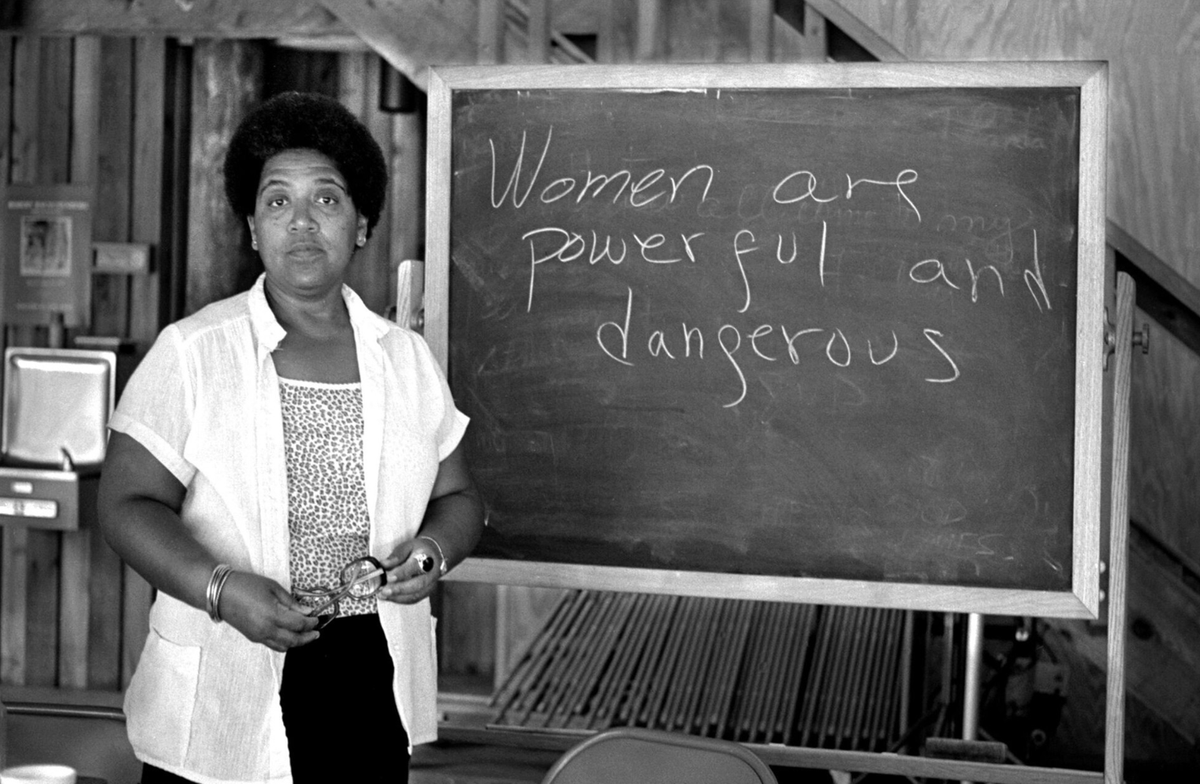
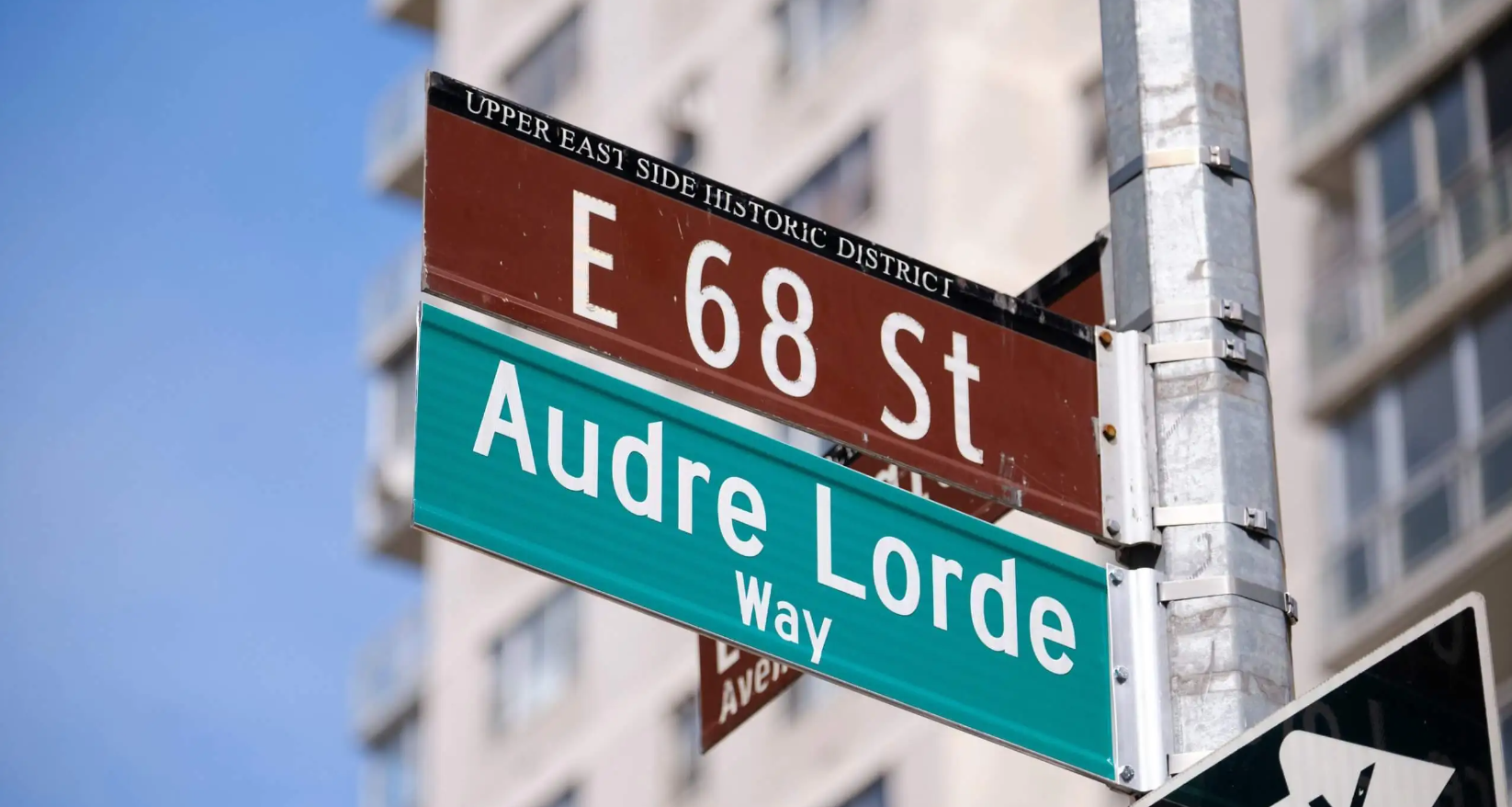
Audre Lorde was born in Harlem in 1934, the daughter of immigrants from Grenada, a tiny Caribbean island. Her books of essays, poems and biomythography have shaped much of who I am. Somehow, I feel as if I have always known Audre Lorde although I never met her. In 1974, when I was still in junior high school in Corpus Christi, she was already being nominated for a National Book Award and refusing it (along with Adrienne Rich and Alice Walker) to make a statement about the uninterrupted white-male-ness of the award. Today, I teach at a place where she was once a professor. The street I cross to walk onto campus was recently renamed “Audre Lorde Way.”
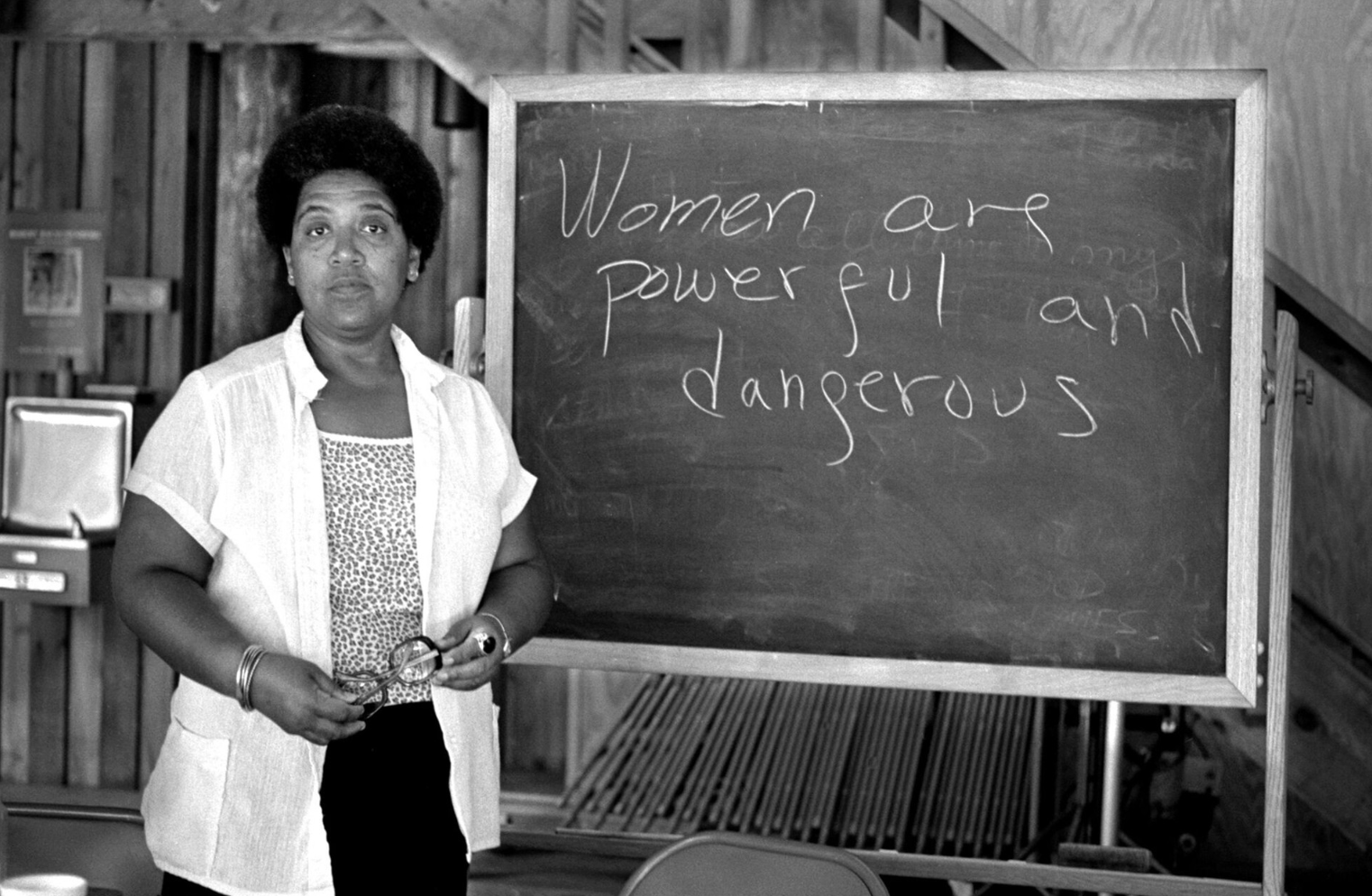
A few years ago, I taught Audre Lorde’s memoir, Zami: A New Spelling of My Name, and my students were frustrated with that book because there was no scene of reconciliation with her family of origin. I had to explain to them that’s not how we did queer life in the 1900s. We came out, we left home and our families, and we created our own kinship circles and networks of care. So much of how I came out into queer life, I learned from Audre Lorde. I promised this series of posts would offer some documentary recommendations, and so here are three about Audre Lorde.
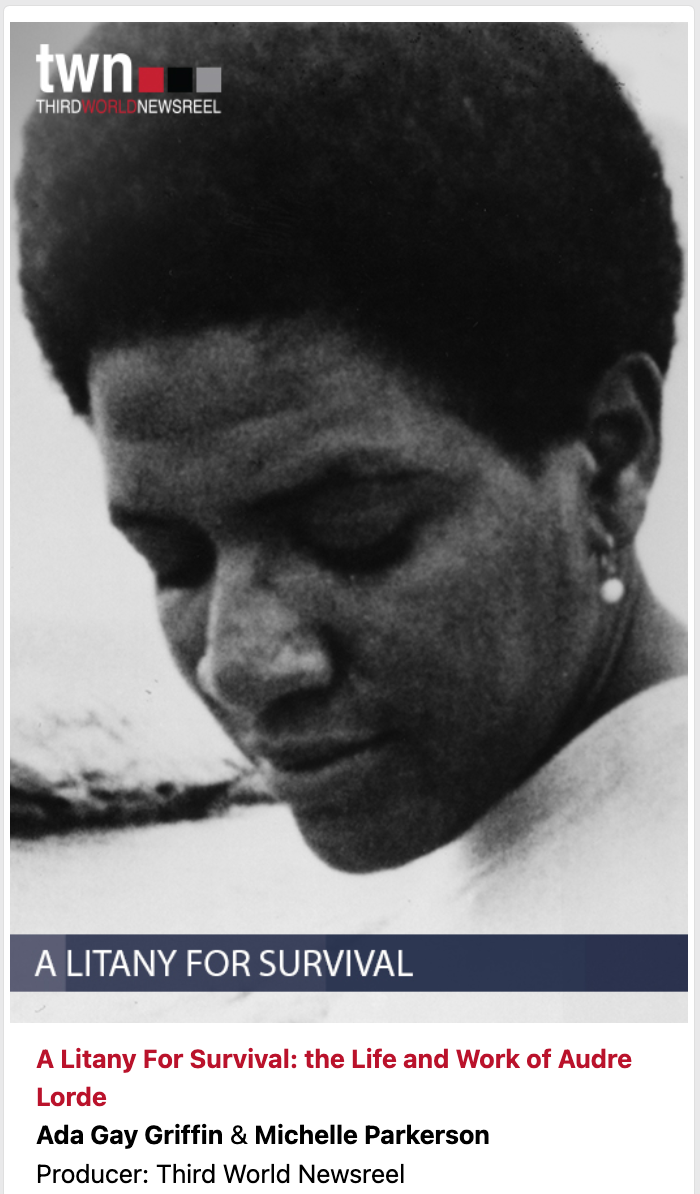
A Litany for Survival: The Life and Work of Audre Lorde . This eloquent 1995 film by Ada Gay Griffin and Michelle Parkerson takes a sweeping look at the life of Audre Lorde, covering five decades -- articulating some of the most important social and political visions of the century. From her childhood in Harlem to her battle with breast cancer, the film explores her body of work and the connections between the Civil Rights movement, the second wave feminist movement, and the emerging struggle for lesbian and gay rights. At the heart of this documentary is Lorde's own challenge to “envision what has not been and work with every fiber of who we are to make the reality and pursuit of that vision irresistible.” You can rent the video here.
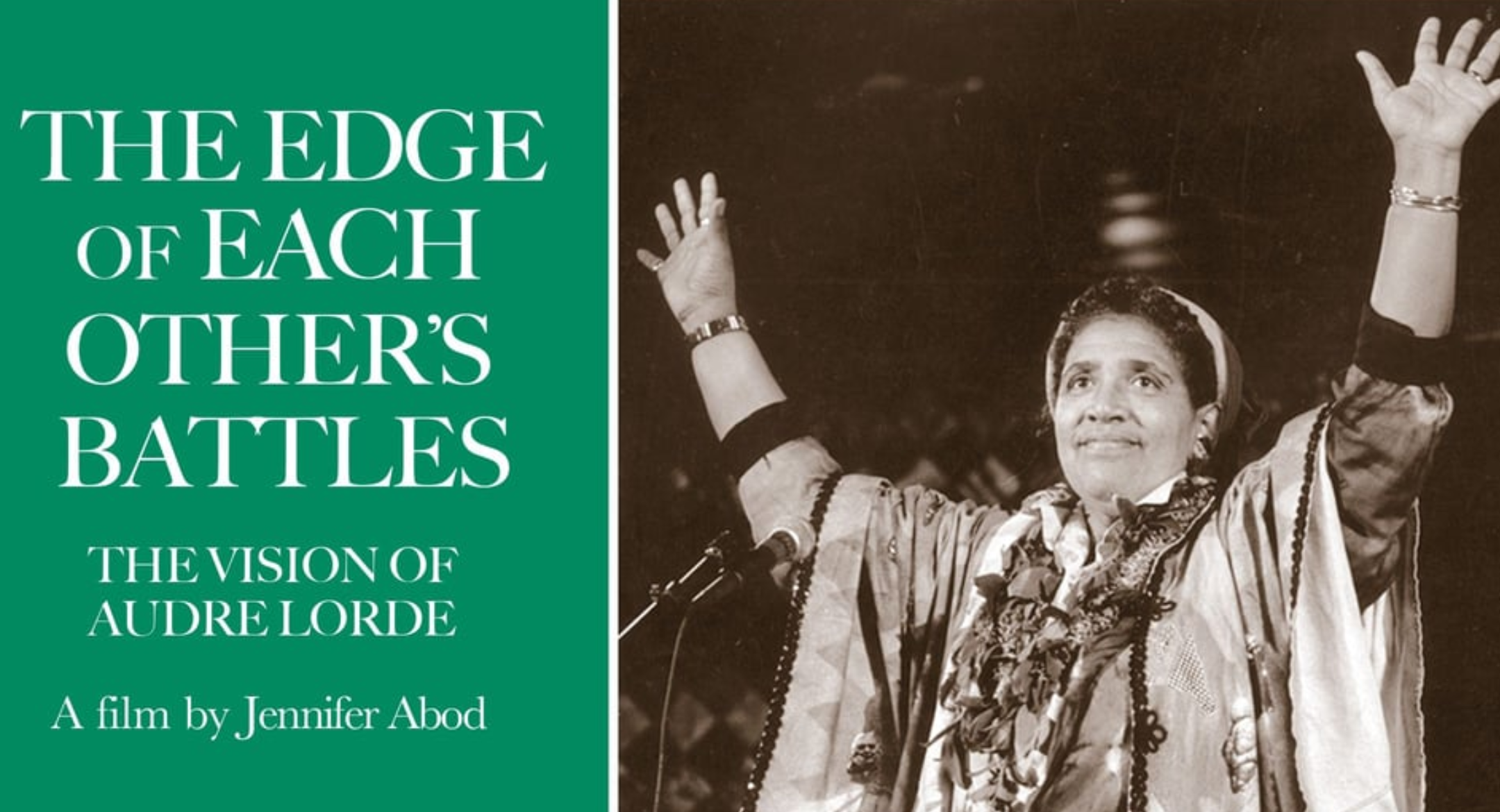
The Edge of Each Other’s Battles: The Vision of Audre Lorde A powerful documentary from 2002, this film is a moving tribute to Audre Lorde by filmmaker and activist Jennifer Abod, through their shared activism. The film is an exploration of the organizing behind the groundbreaking I AM YOUR SISTER CONFERENCE which brought together 1200 activists from 23 countries. The film includes some thrilling footage of the inimitable Lorde herself, and candid interviews with conference organizers to convey the spirit, passion and intensity that remains her legacy. You can rent the video here.
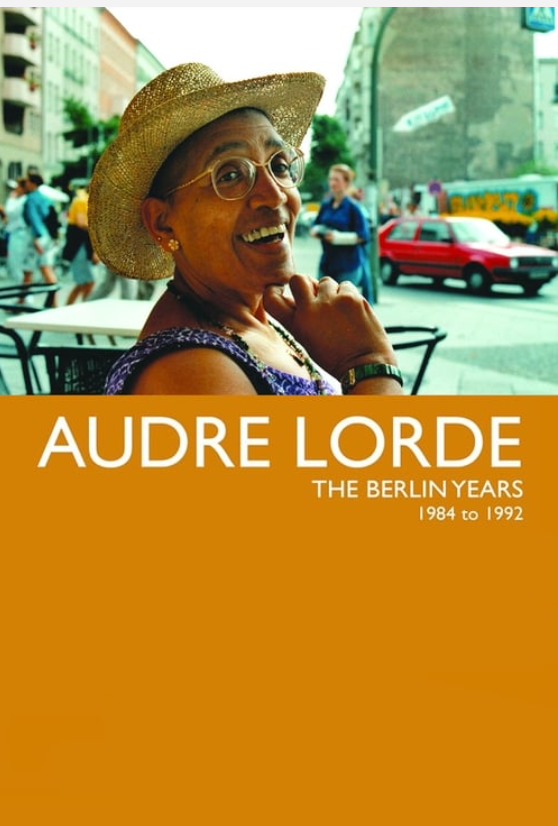
Audre Lorde: The Berlin Years, 1984-1992. I first saw this film at a screening a few years ago at the Maysles Documentary Center in Harlem. Directed by Dagmar Schultz, the film was released in 2012, which was the 20th anniversary of Audre Lorde’s passing. The film explores a relatively unknown chapter of her life, a period in which she helped ignite the Afro-German Movement and made lasting contributions to the German political and cultural scene before and after the fall of the Berlin Wall and the German reunification. In it, we see clips of Lorde as a mentor to the young Afro-German women who are drawn to her. For me, one of the most moving scenes is when she challenges some of the white German women to acknowledge their relative privilege when it comes to feminist sisterhood. As Lorde wrote in Our Dead Behind Us: Poems,
“It is not our differences that divide us. It is our inability to recognize, accept, and celebrate those differences.”
The film includes footage of Audre Lorde in Berlin, Audre reading her poems, Audre on her work, deleted scenes, trailer, interview with filmmaker Dagmar Schultz and English, Spanish, German and French subtitles. You can rent the video here.
For me, documentaries offer another way into knowledge. I’m fascinated by them as an art form and as epistemology, that is, how we know what we say we know. I realized years ago that I will watch a documentary about a topic that I’d never take the time to read a book about, and I’m guessing that may be true for some people here who might not pick up a book about Black feminism, but you might watch a film. And, for a long while now, I’ve used documentary films to teach with because I have seen how the memory of a film will stay with students long after they’ve forgotten the assigned reading. If you think that Black feminism isn’t for you, then I offer these films as a new way into the knowledge that it’s for everyone.