For the Fierce Ones
On International Women's Day
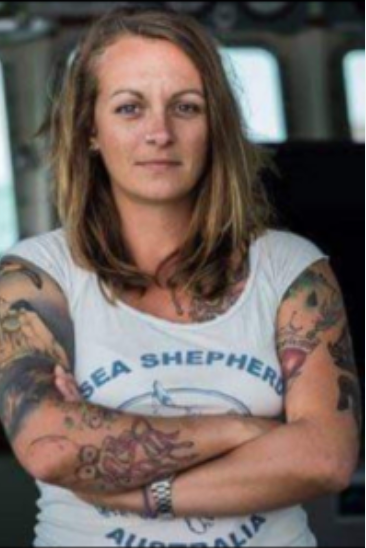
I’m usually ambivalent about International Women’s Day, both because of the corporate capture of it and for the way that some, like this nice white lady, try to enclose the definition of “woman,” so sharply and narrowly that they can use it to knife some of us in the back.
But this year, there’s something in the air that makes me want to stop and take notice of the fierce ones, the women and femme-identified people who stand up and push back on the systems that would destroy us all, and do it all with an intense passion for justice. Here’s who I’m celebrating today:
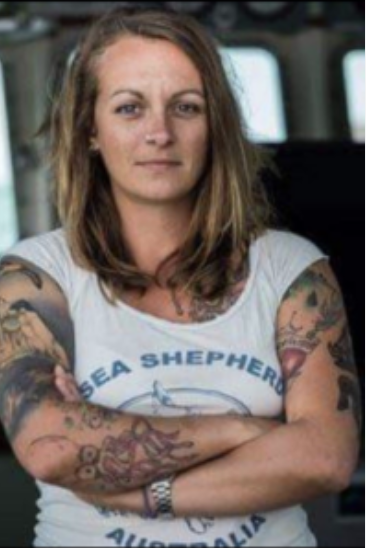
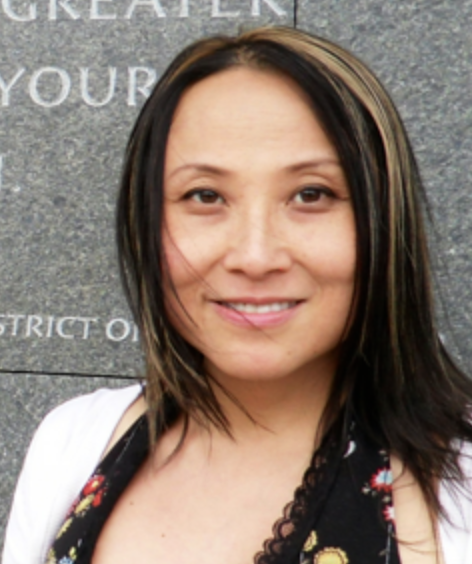
Pia Klemp is a German biologist and ship’s captain who, between 2016 and 2018, worked to rescue people at sea who were part of the European migrant crisis. When she and her crew encountered two small dhingies at sea, she tried to help them, but first she had to manuever around the “so-called Libyan coast guard.” Klemp, in a call with a reporter, described the Libyan coast guard as essentially Libyan militias, a product of the country’s violent civil war, which have been empowered by the European Union to do everything possible to prevent migrants from reaching the shores of Europe. Klemp brought the people in those small rafts onto her sturdier boat in defiance of the authorities, and she kept on — for dozens of rescues that saved hundreds of lives. For her trouble, the Italian government tried to have her locked up for 20 years, and the French government tried to give her a medal, which she refused. In an interview in 2020, “I don't see sea rescue as a humanitarian action, but as part of an anti-fascist fight.”
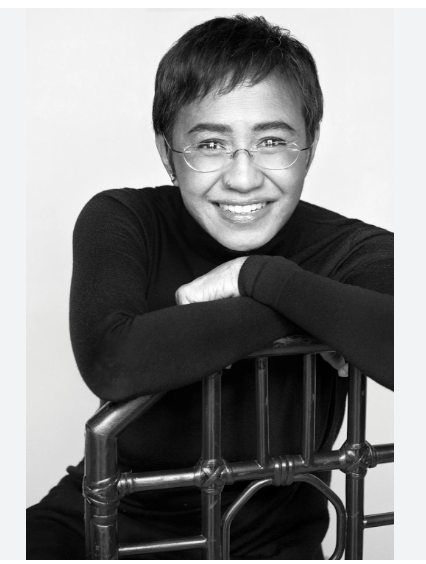
Maria Ressa is a winner of the Nobel Peace Prize. She won this for her work as a journalist under the repressive regime of Rodrigo Duterte in the Phillipines. She did this through her news outlet, The Raffler, and by solid reporting on the truth of Duterte’s atrocities, even as she was threatened with violence and imprisonment.
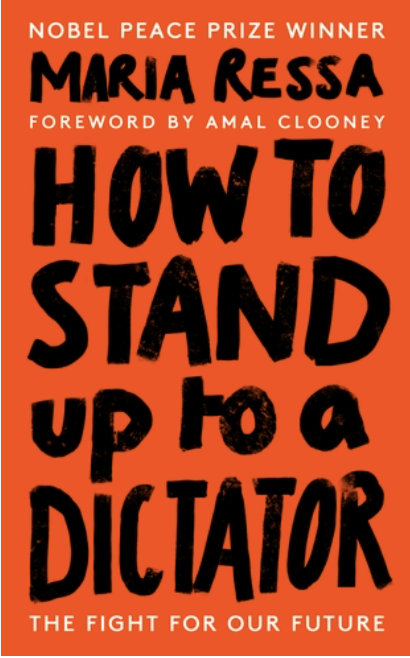
I’m in the middle of listening to the audio version of her book, How to Stand Up to a Dictator, which resonates with some of my own early experiences. (Maria and I were very much the same kind of young student, racing to the end of the SRA self-paced reading challenge.) What I’m struck by is her clear vision of right and wrong, her seemingly boundless energy and fearless steps to shore up journalism (leading multiple news agencies in the Phillipines when she returned there after college), and her steadfast resolve to defend democracy in the harrowing political climate under Duterte. Ressa said, “Press freedom is... the foundation of every single right of every single Filipino to the truth, so that we can hold the powerful to account.”
I find her writing about Facebook most compelling, as she was initially an early supporter as Zuckerberg promised to bring “free internet” to the people there (even considered going to work for them); and then, as the platform became a tool for disinformation that helped Duterte’s regime, she became a powerful, outspoken critic of the social media company. “Facebook is now the world’s largest distributor of news and yet it has refused to be the gatekeeper,” she told The New York Times in 2019. “And when it does that, when you allow lies to actually get on the same playing field as facts, it taints the entire public sphere.” There is little in her suburban New Jersey upbringing that prepared her for the extraordinary life she’s leading now, and that’s part of what makes her so fierce. In the fall, I’m teaching a course on social change and introducing students to the people who create change, and I’ll be adding this title to the syllabus.
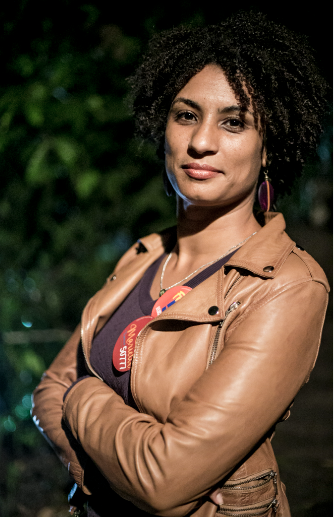
Marielle Franco was a Brazilian politician, sociologist, feminist, socialist and human rights activist. As someone from the Maré favela, a sprawling low-income district in northern Rio de Janeiro, Franco saw first hand the impact of police brutality and government neglect of poor areas of her city, maintaining close ties to her neighborhood as she pursued a master’s degree in public policy. She launched a successful bid for a seat on Rio’s city council. Marielle Franco was unique in Brazilian politics: as someone who identified as Black, with strong ties to the favela where she was raised and being open about being in a lesbian relationship, she stood out in a political system dominated by cis, straight, white men. On March 14, 2018, Marielle Franco was assassinated by two men, later identified as police, precisely the forces she mobilized against. Afterward, her name became a ‘rallying cry’ for pro-democracy activists in Brazil. Her death, according to one report in the New York Times, “injected a life-or-death sense of urgency into the rights movements she espoused.”
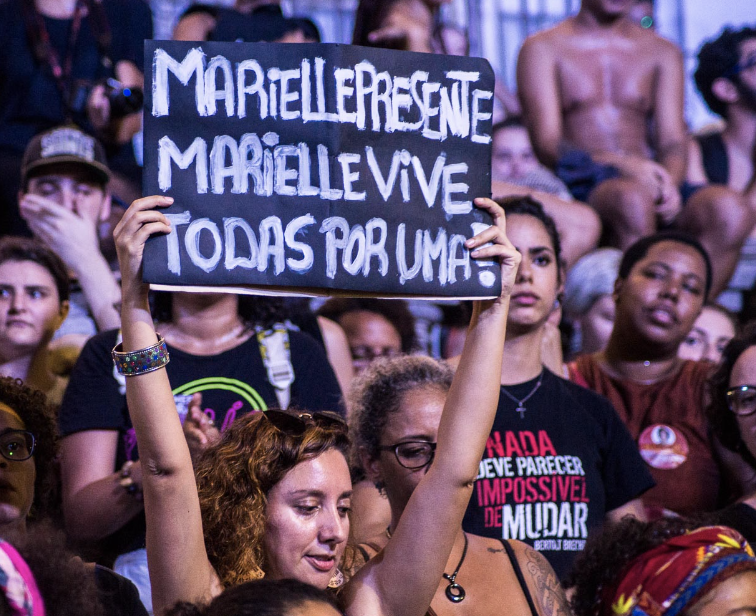
My friend and Harvard Berkman Klein Center colleague, Leo Cortana, has made a a short film about her, “Marielle’s Legacy Will Not Die.” He said, “I truly believe that our generation of media makers need to find ways to mobilize transnational networks of advocacy and solidarity… This is part of the legacy work too.” The film appeared at the KASHISH Mumbai International Queer Film Festival in 2020. Each year in March, people gather in Brazil and around the world to remember Marielle and keep her legacy alive.
Cecelia Chung was born in Hong Kong, moved to the U.S. with her family, and has become an activist for a range of human rights causes. In 2004, she was the founding producer of Trans March, she helped organize one of the world’s largest annual transgender events which has since been replicated in cities across the U.S. Among host of other accolades, in 2013, she was appointed to the Presidential Advisory Council on HIV/AIDS. Today, she works as the Senior Director of Strategic Projects at the Transgender Law Center.
All these women (and yes, trans women are women) are what I think of fierce. In parsing the distinction between the pressure to be “nice” and the pull to be “mean,” I want to be like these women: fierce in standing up to dictators, fierce in seeing the humanity in refugees (and refusing prizes for same), fierce and queer as in fuck-the-police, fierce in defending the rights of trans folk.
Salute to the fierce ones on International Women’s Day.