Healing from Colonialism
On this holiday and beyond
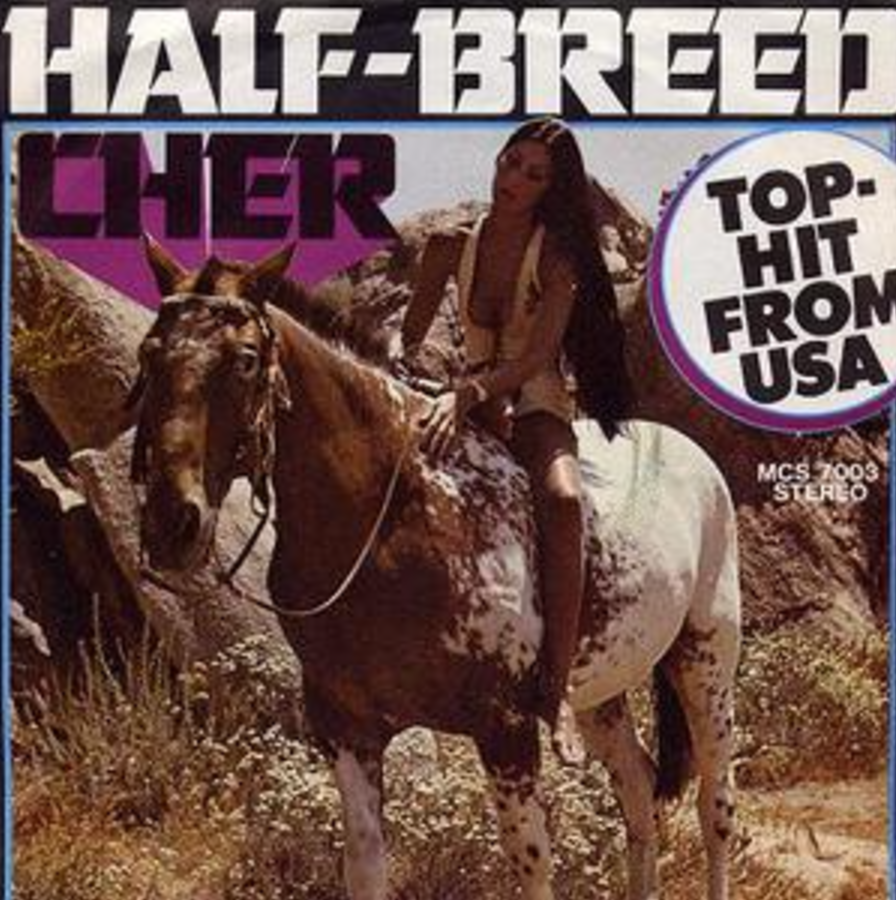
I grew up a Cherokee princess. Or, so I believed. My father, J.T., claimed Cherokee heritage for himself (he was not). During car rides when I was a child, my mother, Shirley (who claimed “Scots-Irish” heritage - a myth for debunking another time), would turn up the volume on Cher’s 1973 hit, “Half Breed,” turn to me with a knowing glance, and say, “Here’s your song.”
The early 1970s were the height of the American Indian Movement, an uprising of people from across tribal nations to challenge the U.S. government for the theft of land, water and minerals. There is a powerful retelling of this movement in the new docuseries, “Vow of Silence: The Assassination of Annie Mae Aquash,” and when I watched it recently it reminded me of how present AIM felt in our household through television news reports that J.T. always wanted to talk to me about, as if those were our kin. Even though he wanted to claim them, none of them claimed us.
Like many white Texans and other southerners who identify with Native Americans and their cause, it is the opposition to the federal government that resonates. This anti-government stance is part of how the supposed-memoir The Education of Little Tree, written by white supremacist activist and speechwriter Asa Carter (under the pseudonym Forrest Carter) came to make regular appearances on reading lists, including Oprah’s book club (since removed). J.T., who could be ardent in his anti-Blackness, was simultaneously very pro-Indian, in part because of his misperception of Black people “asking for government hand-outs” while Native Americans were taking over the federal Bureau of Indian Affairs.
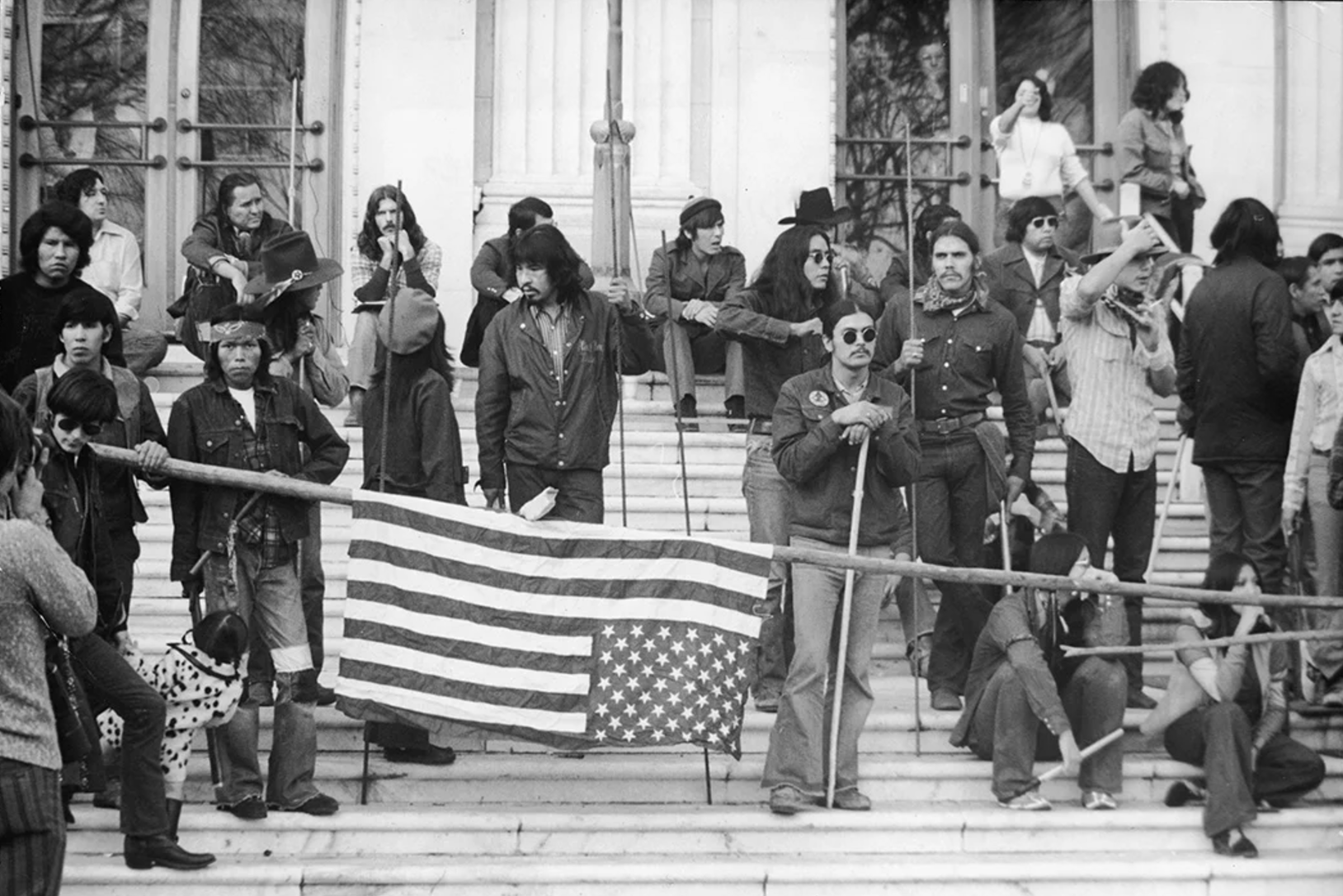
Around that time, Annie Mae Aquash, one of the leaders of AIM, said:
“These white people think this country belongs to them - they don't realize that they are only in charge right now because there's more of them than there are of us. The whole country changed with only a handful of raggedly-ass pilgrims that came over here in the 1500s. And it can take a handful of raggedy-ass Indians to do the same, and I intend to be one of those raggedy-ass Indians.”
Annie Mae was right even though that band of raggedy-ass Indians didn’t succeed.
I was late to figuring all this out. I was in my mid-twenties (in the 1980s) when someone handed me a copy of Vine Deloria’s Custer Died for Your Sins: An Indian Manifesto, and I finally figured out that I was no more Cherokee than Cher (she’s Armenian). I know, too, now that my great grandfather (Henry) was part of the settlers who “made the run” into Oklahoma territory to steal Indian land with the help of the federal government through the Homestead Act. On the marriage certificate to my great grandmother (Mary Elizabeth), it lists the location as “Indian Territory.” One guess I have about where my father’s mythology about his Indian ancestry began is this little shred of documentation. Perhaps that was the beginning of an elaborate tale? I will never know.
What I do know is that my grandfather (George), father to J.T., was a member of the Klan in the 1920s (along with millions of other white people throughout the U.S.). While this might seem like an epic, ancestral non sequitur, it now makes perfect sense to me. To go from settler to vigilante to claiming indigeneity in the span of three generations is how colonialism works. Current examples of this abound if we can only see them.
This is the heart of the colonialism we’ve inherited as white people in this country and part of what people are gathering today to celebrate: the idea that this land belongs to us. It doesn’t. But based on that misunderstanding, we and our ancestors have done a lot of damage to the land and to ourselves.
Healing may sound a little too woo-woo, but it’s the beginning of the repair we must do. To begin, we can be honest and tell the truth about who we are and what we’ve done. That is the beginning of repair.