Hip Hop, Drug Wars + the Discipline of Hope
Monday Thoughts, Mostly about Documentaries
People that know me at all know that I love documentary films. I use them in my teaching (I keep a list here of some of the films I use in the classroom), and in the Before Time, I could be found each Tuesday night at the local IFC Theater for a documentary series followed by Q&A with the filmmakers. Every once in a while, I get the excitement of making friends with documentary filmmakers and this year, two friends’ films were nominated for Oscars: All the Beauty and the Bloodshed and Fire of Love. Both excellent and worth your time, even if they didn’t get to take home a golden statue this time.
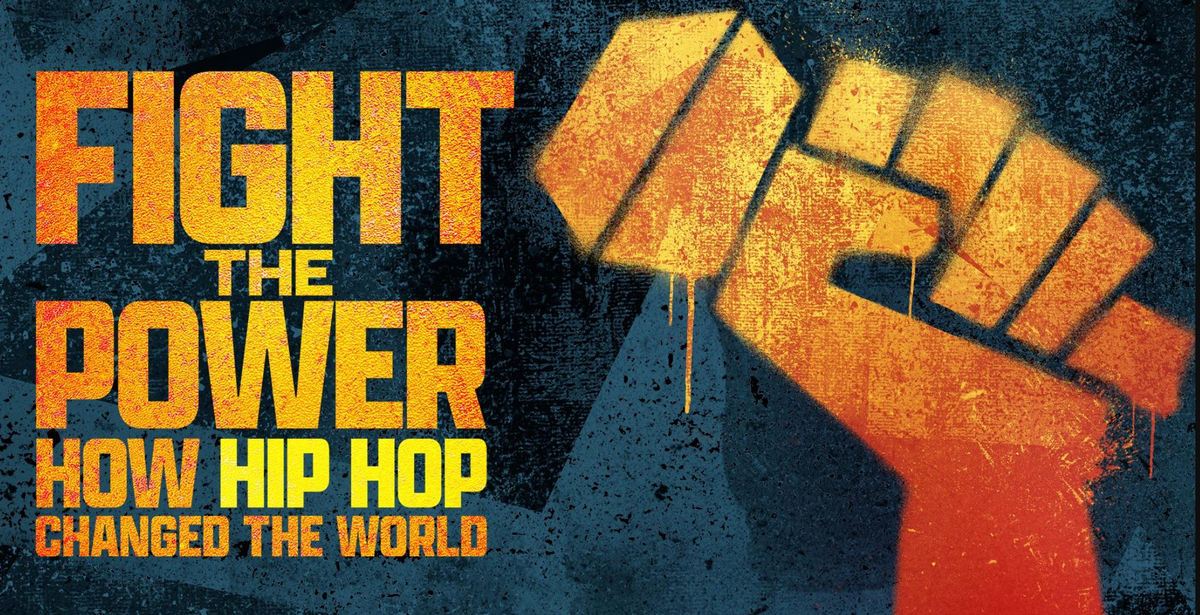
There’s another documentary film on my mind this Monday: Fight the Power: How Hip Hop Changed the World, currently streaming on PBS and BBC. It’s three-part docuseries, as streaming services drive the form now. I watched all three parts several weeks ago and I keep picking it up again, turning it over in my mind just as you might a gemstone in your pocket.
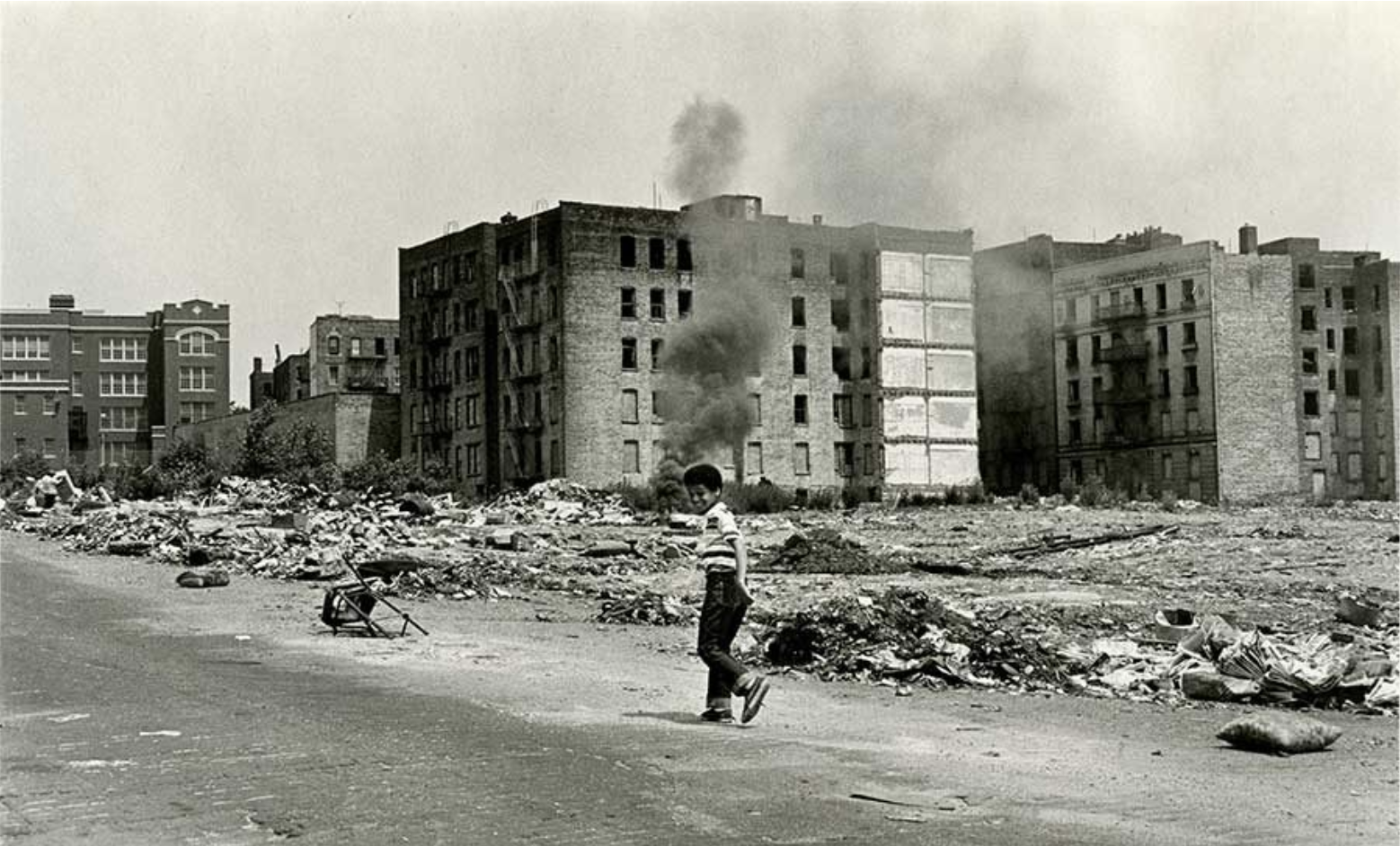
In setting the context for the emergence of hip hop, the film takes the audience to the Bronx of the 1970s and 1980s, when landlords were burning down buildings to get the insurance money and politicians looked the other way in an official policy of “benign neglect.”
In the lead up to the Nixon administration, there was concern that the students, mostly white, in the anti-war movement would join forces with the young people organizing in the Black Power movement. Here is John Ehrlichmann in an interview (from 1994, he died in 1999) that was published in 2016 in Harper’s Magazine:
“The Nixon campaign in 1968, and the Nixon White House after that, had two enemies: the antiwar left and black people. You understand what I’m saying? We knew we couldn’t make it illegal to be either against the war or black, but by getting the public to associate the hippies with marijuana and blacks with heroin, and then criminalizing both heavily, we could disrupt those communities. We could arrest their leaders, raid their homes, break up their meetings, and vilify them night after night on the evening news. Did we know we were lying about the drugs? Of course we did.”
This quote makes it into the hip hop documentary but it’s quick. If you happen to look away or haven’t read this quote before you could easily miss it, but I’ve been stuck on it. The main focus of my research these days is on the far right, and when I think about the damage that those groups have done and then weigh against what a couple of motherfuckers in a suit-and-tie have done to cause harm, well, I’ve got to hand it to the MF’ers in the suits.
What’s even more pernicious is that the goals of the guys in suits are mostly the same as those of the far right: “disrupt those communities,” and “arrest their leaders, raid their homes, break up their meetings, and vilify them night after night on the evening news,” as Ehrlichman put it.
In Fight the Power, the reference to Nixon’s drug war is all part of the broader context from which hip hop emerged as this generative, vibrant, music form that has been an anthem of political resistance and has, as the title suggests, changed the world. So, if the architects of the drug war and the far right are aligned in their purpose, it also makes me question who and what I mean by “combatting the far right,” because isn’t hip hop doing this in its own way? I think it is, in its own way. Although, just for the men it seems, sometimes. (See Drew Dixon’s powerful, On the Record for both her love of hip hop and how the men of the industry betrayed her.)
Meanwhile, Nixon’s shitty, racist drug war is still with us. Oklahoma just refused to get out of its own way and legalize weed. (This is why people feel like voting doesn’t matter, as legal weed consistently polls at 85% approval ratings - or higher - and yet, politicians can’t get it passed.) At the same time as Oklahoma dithers, in next-door Missouri they did $100 million in weed sales its first month of legalization. Here in New York State, I’m grateful to people like Kassandra Frederique who have worked for years to make legalization a racial justice issue, with some real success behind those efforts.
As I wrestle with what this research project is on “combatting the far right,” I’ve begun to consider the possibility that at least some of the problem is beyond the reach of the cognitive or the rational. If we take the evidence seriously — that a large chunk of people would literally rather die than give up their whiteness and enjoy laughing at racist jokes, that conspiracy theories activate primal fears, and that politicians will weaponize mob violence — then, we have to start exploring solutions that go beyond the cognitive.
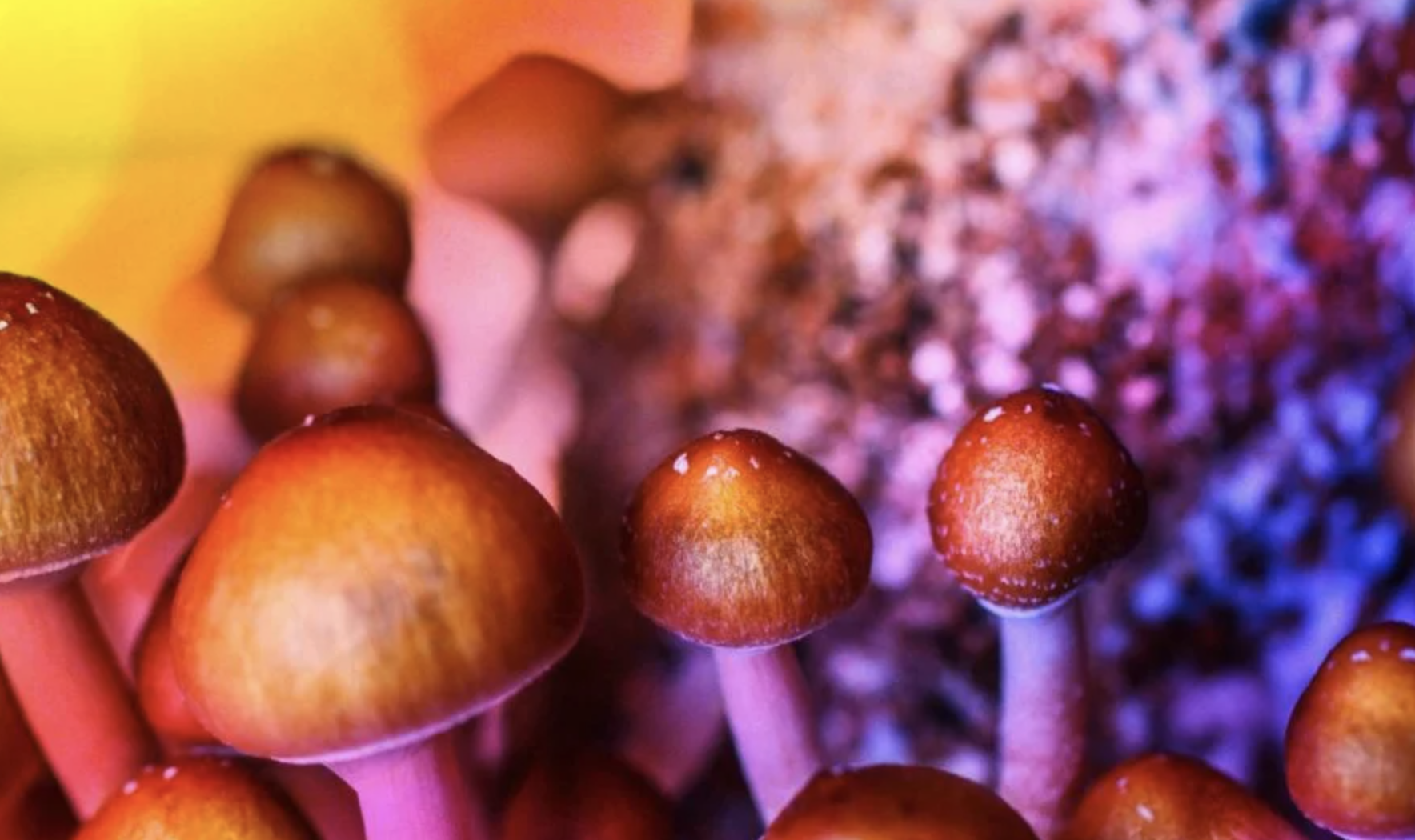
As part of this, I’ve been following the clinical research on psilocybin, what are colloquially known as “magic mushrooms.” There’s impressive research on how psilocybin can help people with depression, or OCD, or with some forms of addiction. It’s also been very effective in helping people diagnoses with terminal cancer. It doesn’t cure the cancer, but it does help people deal with end of life issues, what they call in the literature, “existential dread.” What people say after experiencing psilocybin in a clinical setting like this is: “I feel more connected to other people and more connected to nature.” Of course, there’s a docuseries about this, too. It’s called, How to Change Your Mind (currently streaming on Netflix).
When I finished watching the psilocybin episode of this series, my first thought was: could there be a clinical trial of people who want to leave neo-Nazi groups and treat them with psilocybin? I mean, isn’t what’s broken in those on the far right the lack of connection to other human beings and to the earth? I’m just asking questions here.
But, because of Nixon’s shitty, racist war on drugs, we can’t have nice things like plant-based medicine. At least not in most states. On January 1, 2023, Oregon became the first state in the U.S. to make psilocybin legal. It will be interesting to watch what happens from here. If the legalization of weed is any guide, then this will be an uneven process with lots of fear mongering along the way. This also means that further clinical research on psilocybin is difficult as it remains a Schedule 1 controlled substance under federal regulations.
Mariame Kaba reminds us that “hope is a discipline.” This is what I try to keep in mind as I continue talking to people about combatting the far right and figure out what my contribution might be in this next book. Over and over again, what I hear from people who are doing this work is that they are hopeful. They believe we can win. As one person I interviewed recently said, “When they get you to give up hope, they’ve already won.”
I don’t know what it was like to live in the Bronx in the 1970s and 1980s. I can only imagine what it must have been like to survive in a place where your landlord would set your home on fire just to get you out. I had a different, but bleak in its own way, reality that I needed to break away from.
What hip hop, and that one song in particular, did for me, a white girl from Texas, was to make the revolution irresistible. I remember sitting in the Dobie Theater near the UT-Austin campus in 1989 watching Spike Lee’s Do the Right Thing. When “Fight the Power,” first came on and Rosie Perez danced with a ferocity I had never seen before, it made me want to move to New York and be part of all that. (Corny, but true.) A few years later I was living in Brooklyn and marching in a protest against the NYPD’s brutalization of Abner Louima.
So, what are you watching? Seen any good documentaries lately?