How to Change Your Mind
what does it take to shift a paradigm?
I asked some friends to recommend the most recent book they’d read that was really paradigm-shifting. That is, a book that made you, the reader, reconsider some of your basic assumptions. I got lots of good suggestions from that, including several I’ve been meaning to read: Bullshit Jobs and The Disordered Cosmos, and a few I’d read a long time ago, like When and Where I Enter and Sister Outsider.
I love books and have had my life changed by more than a few. I tend to give them away as presents, with a “Here, read this… it changed my life…I want to know what you think about this.” I decided to become a writer and professor because of that love for books. But, there is nothing like being in the classroom to make you realize that not everyone does the reading or loves books.
James Baldwin said (in 1979),
“You write in order to change the world, knowing perfectly well that you probably can't, but also knowing that literature is indispensable to the world... The world changes according to the way people see it, and if you alter, even but a millimeter the way people look at reality, then you can change it.”
Trying to change the world, even by a millimeter, is why I write books. AND, I’m realizing that it’s important but not the only, or even best, way to create change in what we’re up against.
As I’ve mentioned here before, the hate and extremism frameworks are just so meager and inadequate for understanding the global rise of the far right. On the way to developing a new framework for how to understand this, I’m taking the advice that sociologist Howard Becker gave me once: read widely, read outside your speciality, read outside sociology. So I am.
A book, and let me be perfectly honest here, a book-that-became-a-Netflix-special, has shifted a couple of paradigms for me, and that’s Michael Pollan’s How to Change Your Mind. It’s one of those nonfiction titles where the subtitle tells you what it’s about, and his is this: What the New Science of Psychedelics Teaches Us About Consciousness, Dying, Addiction, Depression, and Transcendence. YES! Consciousness, dying, addiction, depression and transcendence… all in one place!? Perfect for me.
Pollan is the same guy who did Omnivore’s Dilemma and a couple of other bestselling, nonfiction books that get lots of attention. (Aside: is there any woman, queer person, or minoritized person who ever gets to have a bestselling, nonfiction book-writing career trajectory like Pollan’s? No need to answer.)
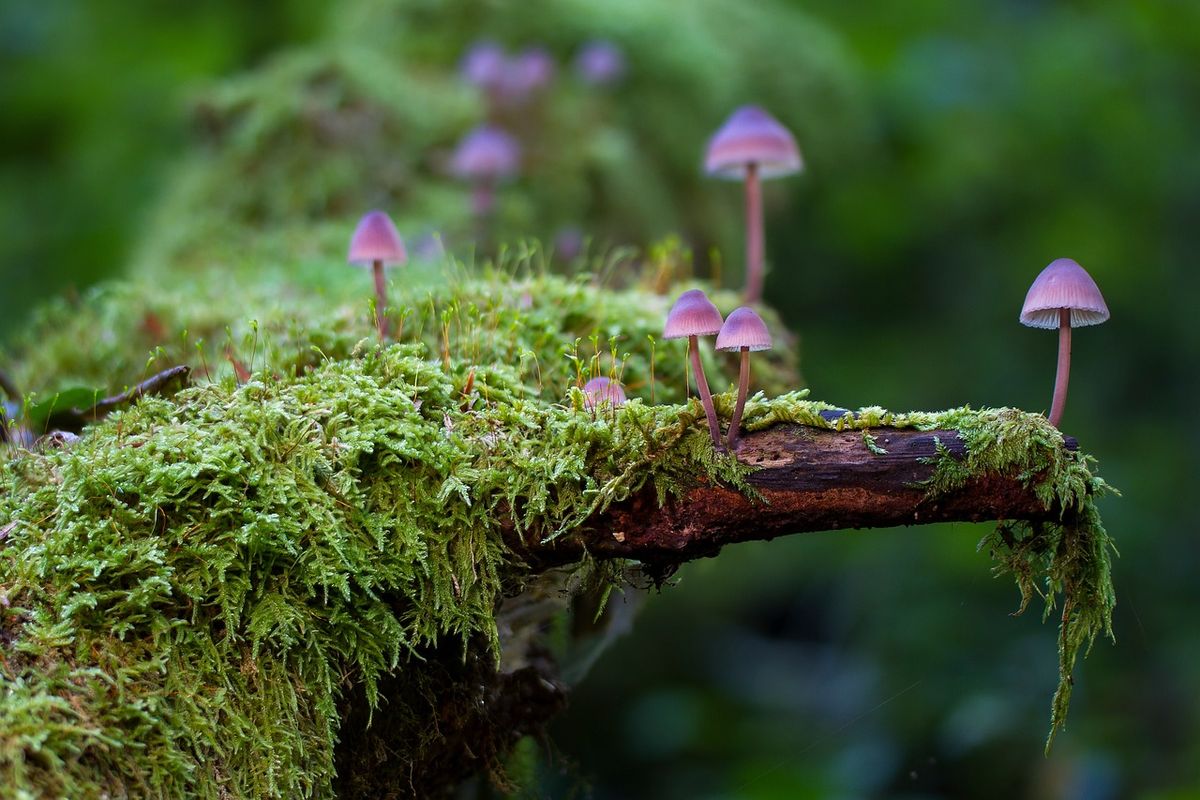
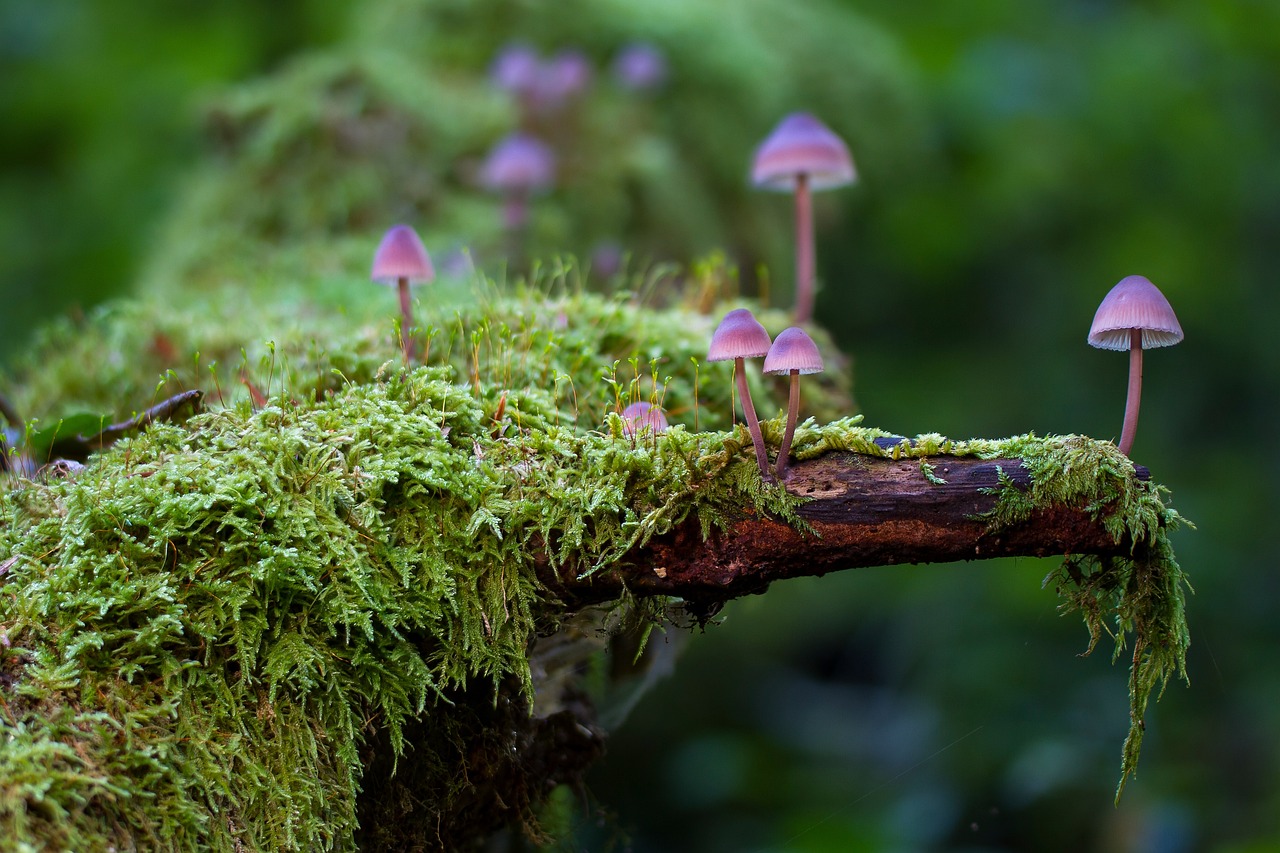
In How to Change Your Mind, Pollan follows up a piece he did for the New Yorker called, “The Trip Treatment,” about the clinical trials for psilocybin, specifically with people who have a terminal cancer diagnosis. The psilocybin, colloquially known as magic mushrooms, don’t do anything to address the cancer but they do help with the “existential distress” that some cancer patients experience when they get a terminal diagnosis. The research consistently shows that people feel relieved of their anxiety about death after one clinical psilocybin treatment. It’s also been effective for treating depression and some forms of addiction.
Each of the four episodes of How to Change Your Mind, takes on a different psychedelic substance, LSD, psilocybin, MDMA and mescaline. In episode 2, about psilocybin, they interview a young guy that is really suffering from OCD. He has one clinical treatment of psilocybin in which he experiences what it’s like to be a tree and then when he reemerges, he no longer has any symptoms of OCD.
ONE. TREATMENT. That’s it.
What almost everyone in the literature reports after a psilocybin experience is that they feel more connected to themselves, to other people, to the earth, and to the universe or a higher power.
My first thought after watching that episode was: What if we gave psilocybin to people who are trying to leave neo-Nazi groups? I mean, if anyone needs to find their connection to themselves, others, the earth and the universe, I believe it’s these folks.
I’ve reached out to some of the people doing clinical trials in this to see if we could form a partnership, run a trial with 6-12 people. No replies yet. I’ll keep you posted on what I hear back.
My second thought after watching this episode was: How do I find a psilocybin experience for myself?
This turned out to be harder than I’d thought. An initial attempt with some friends in Nashville didn’t pan out. Then, back in September, 2022 I contacted my local provider of such substances and conducted a DIY experience with a package of dried mushrooms blended into a smoothie. I didn’t have any visual hallucinations but did feel something (pretty sure the dosage was too small). The next day, the colors at the farmer’s market were brighter, I felt lighter and more, dare I say, optimistic. I’ve always struggled with feeling disappointed in myself, my own version of existential distress rooted, I’m sure, in my mother’s death. After this one, limited experience with psilocybin, I didn’t have that anymore. I really didn’t feel as burdened by that deep disappointment. And, it left me wanting to know more. What else could I unlock if I had a heroic dose?
Tomorrow, I’ll head to an undisclosed location for just such a journey. I’m setting my intentions for this experience and am opening myself up to whatever the universe has to tell me about these books I’m working on, and how to make them as paradigm-shifting as possible.
Then, my boo and I are going to find some water and go for a long, healing soak.
See y’all on the other side.