"Maya blue"
On re-enchantment and recovering what we've lost
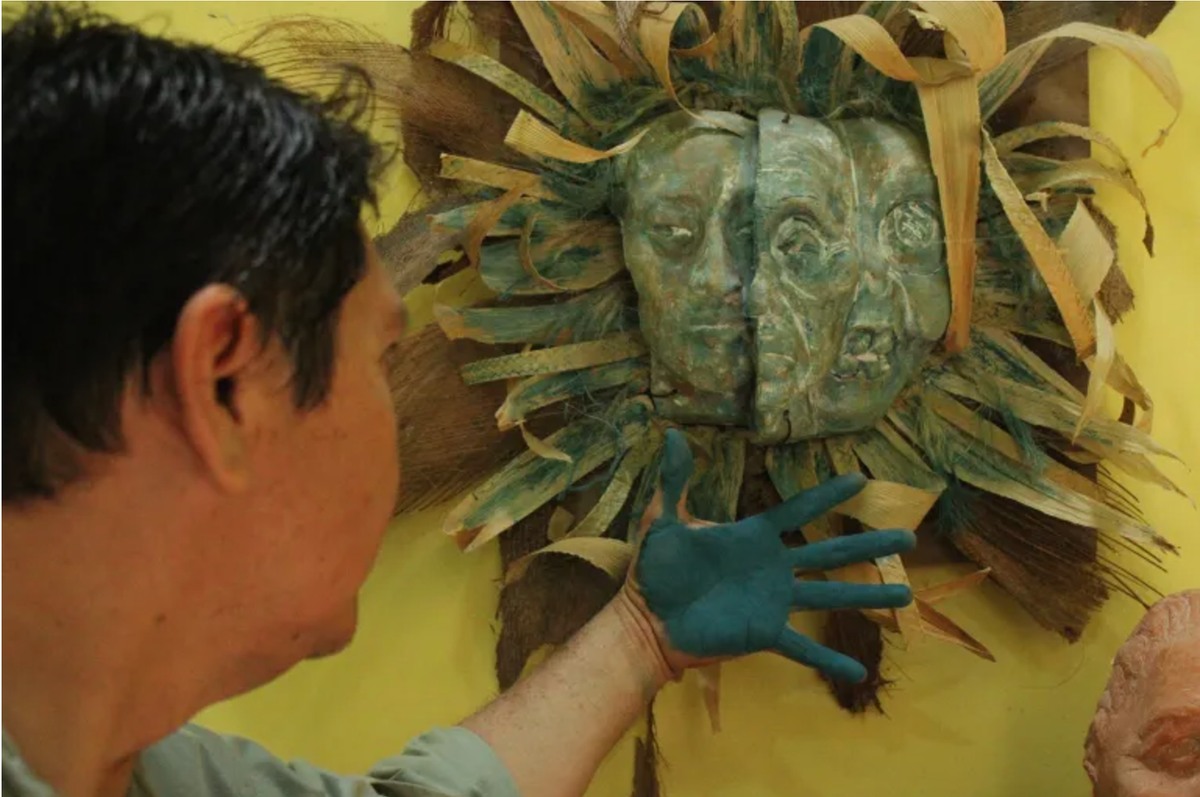
The Mayan people, indigenous to what we now refer to as Mexico, created and used a specific shade of blue, known as “Maya blue.” They used this color to paint pottery, sculptures, murals, jewelery, clothing, and altars.
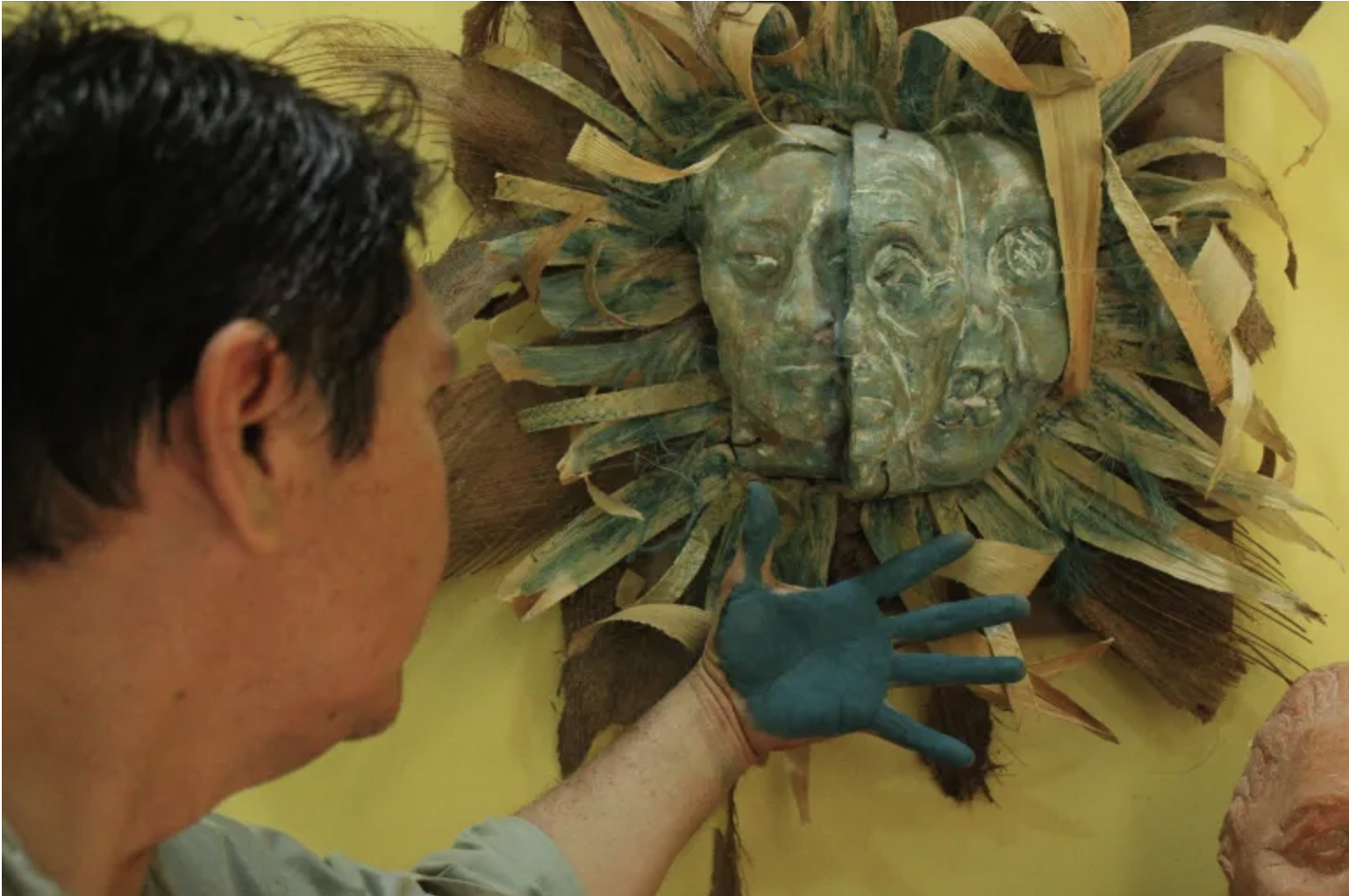
When the Spanish came in the 15th century, they extracted and exploited Maya blue, along with all the rest of what they stole. In the centuries that followed, common knowledge of how to create Maya blue from the indigo plant, known as “ch’oj” in Mayan, all but disappeared. Instead, synthetic versions of the color emerged but the original hue and how it was made were mostly lost until the 20th century.
This article (from Al Jazeera) tells the full story of how the technology behind creating the color was recovered. It was in 1931 when archaeologist HE Merwin first found “a new pigment” on murals within the Temple of The Warriors at Chichen Itza. It was not until the 1950s that a process known as “powder diffraction analysis” revealed the Maya blue pigment had been made by mixing clay, palygorskite (a rare fibrous clay) and indigo (the plant “indigofera”). In 1993, Mexican art historian and chemist Constantino Reyes-Valerio published a recipe to recreate the color using palygorskite, montmorillonite (a soft clay) and indigo leaves. It was this recipe that enabled Luis May Ku (pictured above) to reverse engineer the formula for making it the way his indigenous ancestors had done, which he announced on social media in January 2023 that researchers in Italy and Mexico had replicated the process and validated it. For the first time in six centuries, this color that was lost has been recovered and with it, some enchantment.
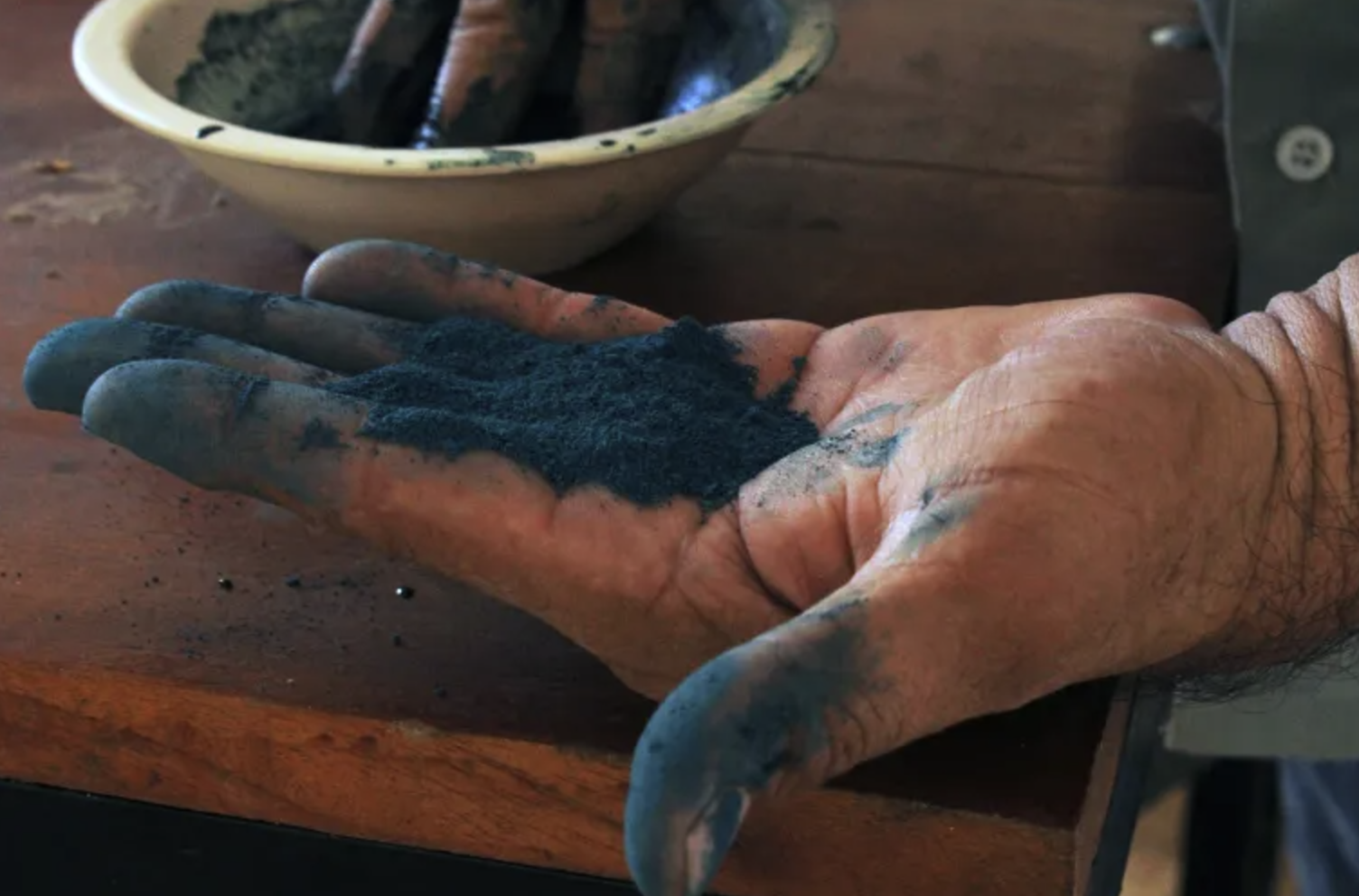
More than a century ago, German sociologist Max Weber observed that part of what we lost with the Enlightenment and then the industrial revolution was “enchantment” of pre-industrial life. Weber, often regarded as one of the founders of contemporary sociology, was interested in the ways modern society with its bureaucracies, rationality and secular disavowal of religion left us with a state of disenchantment (from the German: Entzauberung). If you want to see how that plays out in modern life, think of McDonald’s (but you know, don’t spend your money there). More precisely, consider the McDonaldization of Society, the 1993 book by George Ritzer. To extend Weber’s argument about disenchantment, Ritzer uses the example of the ubiquitous fast-food restaurant as the symbol of “rationalization” that shapes everyday interaction and individual identity. His point is that this kind of rationalization can produce the same french fries at every location yet it also produces disenchantment, that mind-numbing sameness we’ve all felt at moments in consumer culture.
So, how do we get back to enchantment? Can we re-enchant our daily lives? Repair what’s lost?
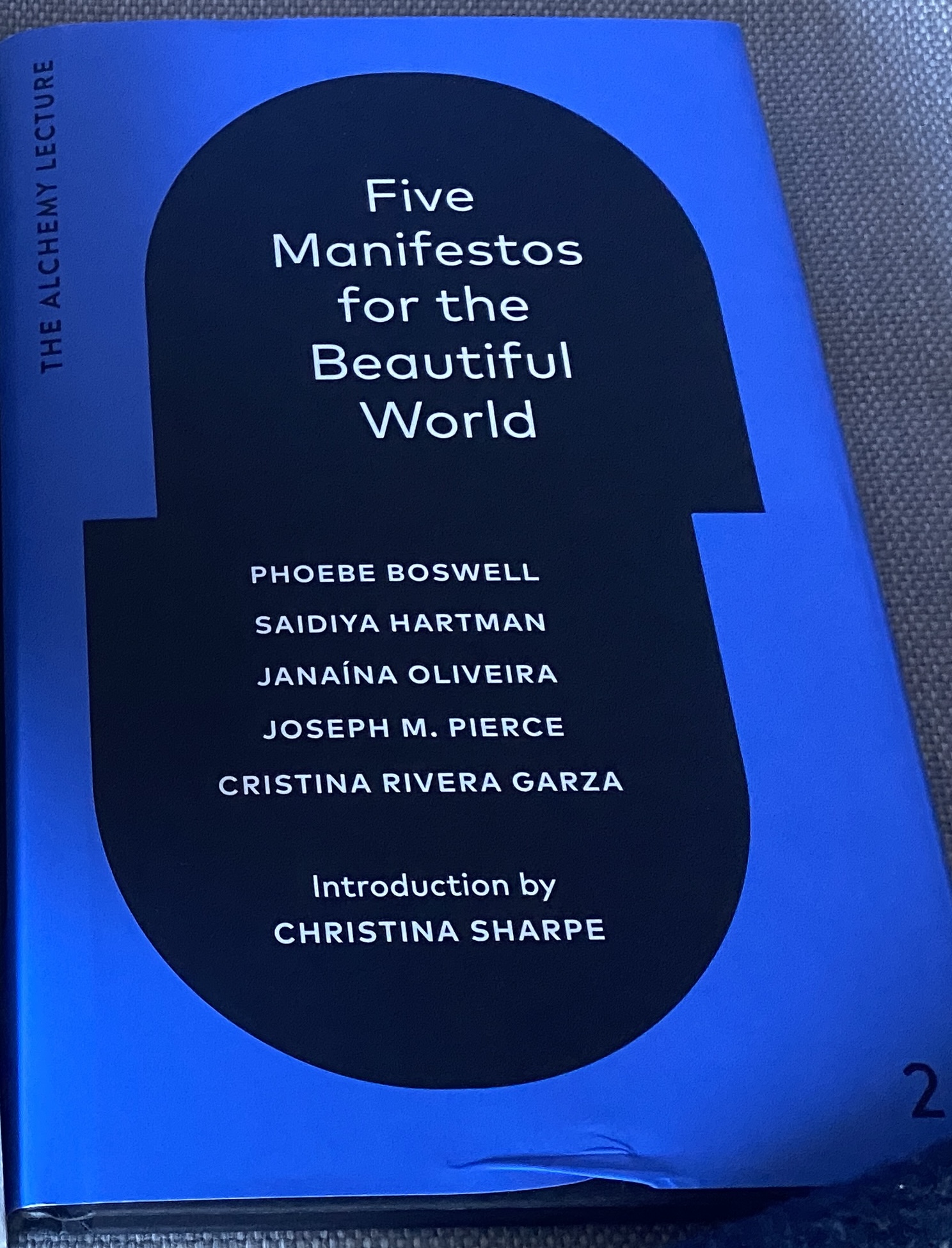
This weekend I was reading this lovely collection of essays, Five Manifestos for the Beautiful World, edited by Christina Sharpe. The lead essay is Joseph M. Pierce, member of the Cherokee Nation and a professor at Stony Brook University. (He’s also writes at Indigiqueer Confidential on this app so give him a follow over there.)
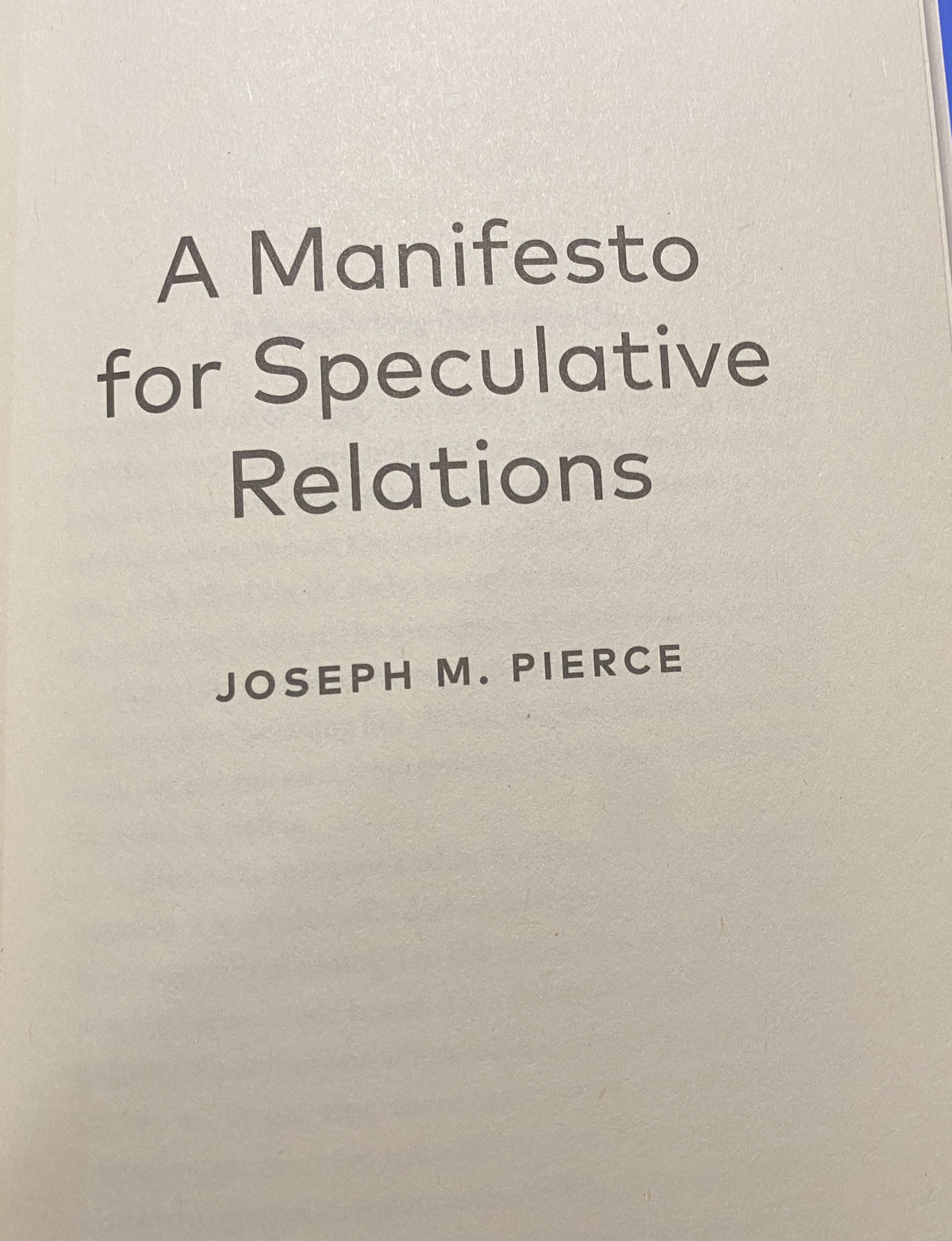
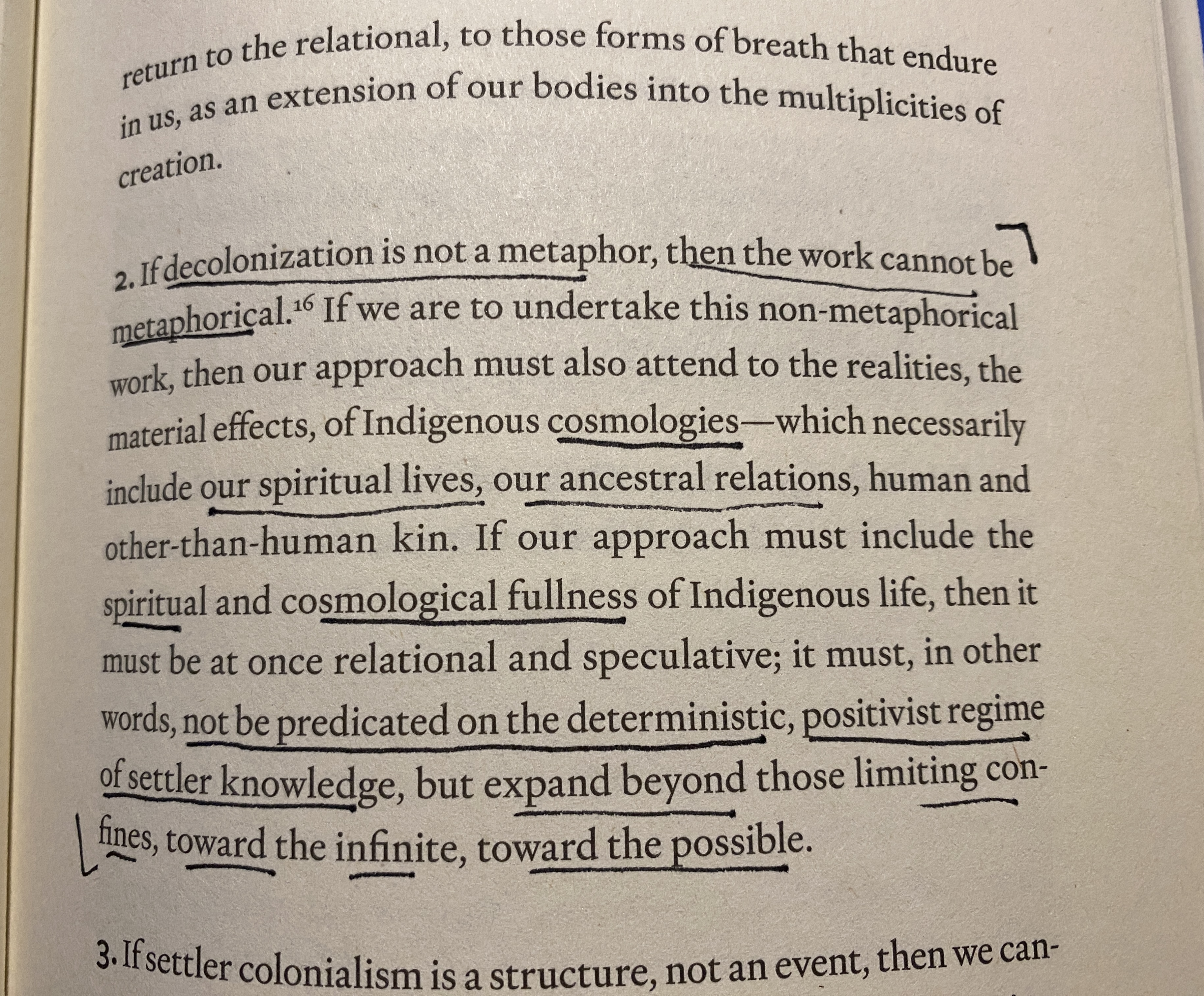
In this marvelous essay, Pierce guides us to re-enchantment when he writes:
If decolonization is not a metaphor, then the work cannot be metaphorical. If we are to undertake this non-metaphorical work, then our approach must also attend to the realities, the material effects, of Indigenous cosmologies — which necessarily include our spiritual lives, our ancestral relations, human and other-than-human kin. If our approach must include the spiritual and cosmological fullness of indigenous life, then it must be at once relational and speculative; it must, in other words, not be predicated on the deterministic, positivist regime of settler knowledge, but expand beyond those limiting confines, toward the infinite, toward the possible. (emphasis in bold added)
I loved this passage so much I marked it all up in my book the way I do, texted a picture of it to a friend, and read it aloud to Spouse A. What Pierce is identifying here is the path to re-enchantment and it is not metaphorical. It means being open to other ways of knowing and being open to knowledge of the spiritual in ways that enliven the dull sameness of modern life. For me, this passage also signaled a beautiful convergence of my academic life and the spiritual work I’ve been doing with plant medicine. All these paths, pointing to recovery and re-enchantment.
The question, the very real question, is if we who are white-bodied can engage this re-enchantment without reenacting the positivist regime of settler knowledge. Or, to put it the way Pierce does, can we encounter these Indigenous cosmologies without “white fuckery.” Maybe this will look something like this clip from Mexican-American stand-up comic, Craig Conant, who might be on to something with his retelling of his experience with ayahuasca (three friends have sent this to me already ~ thanks y’all!).
I’m not sure we can do this, but I keep showing up in these spaces to make a difference there, and I remain hopeful.