Mutual Aid and Solidarity
In This Crisis and The Next
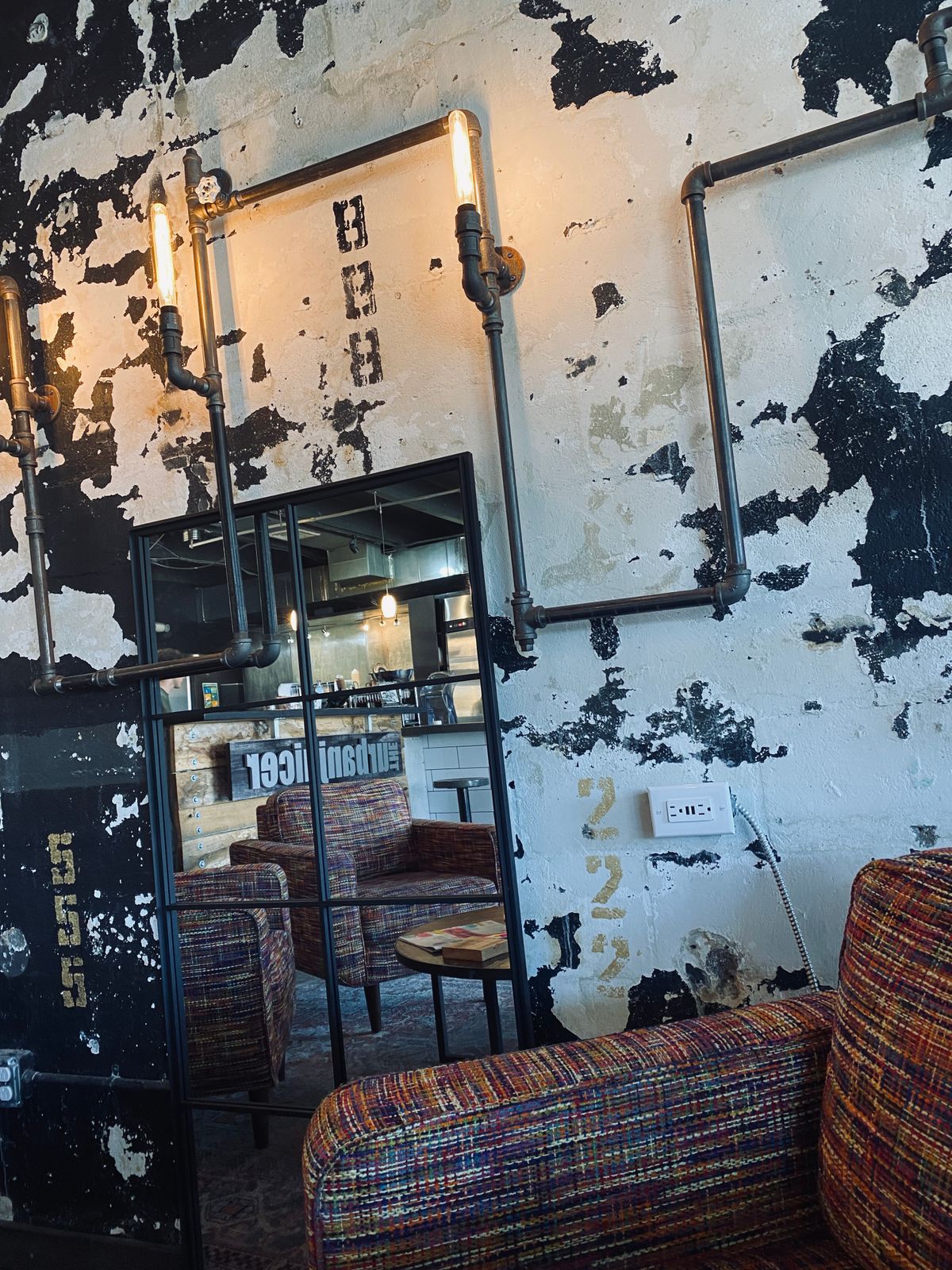
Tennessee is on my mind. I just spent a week there, meeting with lots of different people and staying with dear friends who are queer kin. Part of the time I was in Nashville, which reminds me a little of Austin when I lived there: a lot of live music, organic food options, and a vibe that says: yes, this is conservative-red state but we are creating our own blue-reality-based-conditions for survival here. I’ll have more to say about some of the interviews I did while I was in Tennessee and the wonderful people I met on this trip, but as I wait for this plane to take me home, I wanted to reflect on what it means to resist in this moment, here and everywhere. Because believe me when I tell you, what’s happening in Tennessee is coming to wherever you are, right now, reading this.
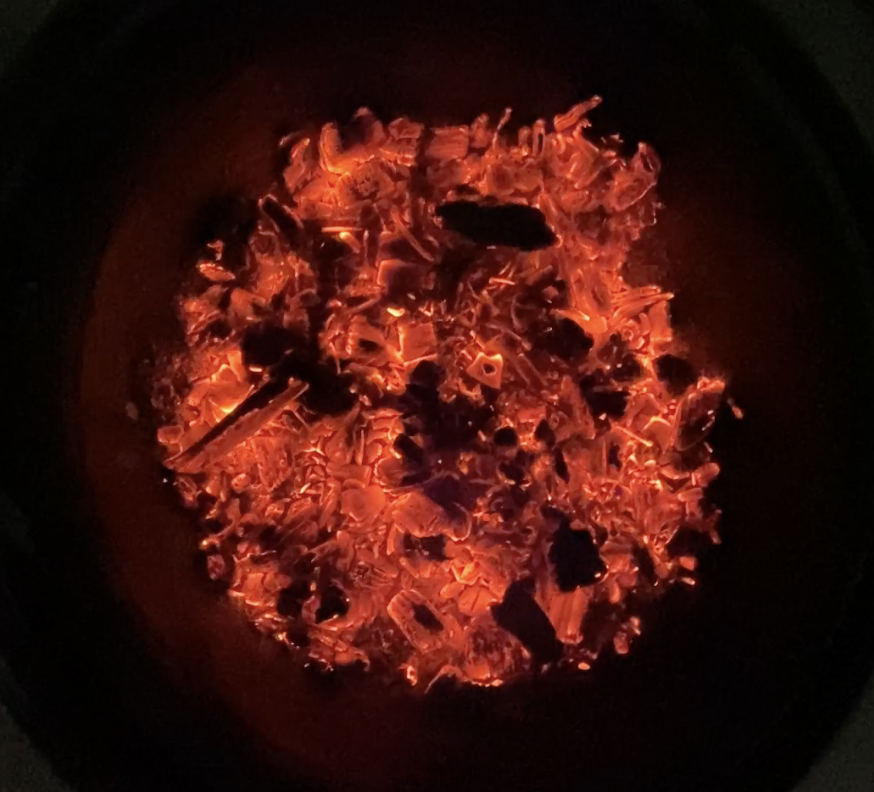
One night, I was sitting around a fire pit with a clump of queers talking about the current political situation and the coming apocalypse. I don’t know what it’s like where you are, but I imagine these kinds of conversations to be happening among all kinds of people right now, especially given that popularity of programs with doomsday themes, like Station Eleven, The Last of Us, and The Stand.
This is not the first time I’ve been in a trib of lesbians and our conversation turns to What Our Plan Is when all this goes to hell. We, lesbians, often get erased by the culture or by other queer people, and that’s why there was a political fight at an earlier time to make sure that the “L” for lesbians came first in the acronym for queer causes. If you don’t have one or two dyke friends in your circle, let me recommend that you level up and expand your circle because, collectively, we are resourceful lot and our skill set is going to be useful for whatever comes next. One of the many things we queer people are good at is finding each other and helping each other in times of crisis. It’s what we did during the last plague and it’s what we’re doing now.
Another word for this is “mutual aid.” If that’s a new term for you, welcome! There’s a terrific, slim volume called Mutual Aid, written by Dean Spade that explains this in plain language. Spade is the queer person who helped create the Sylvia Rivera Law Project that provides legal support for trans people in need.
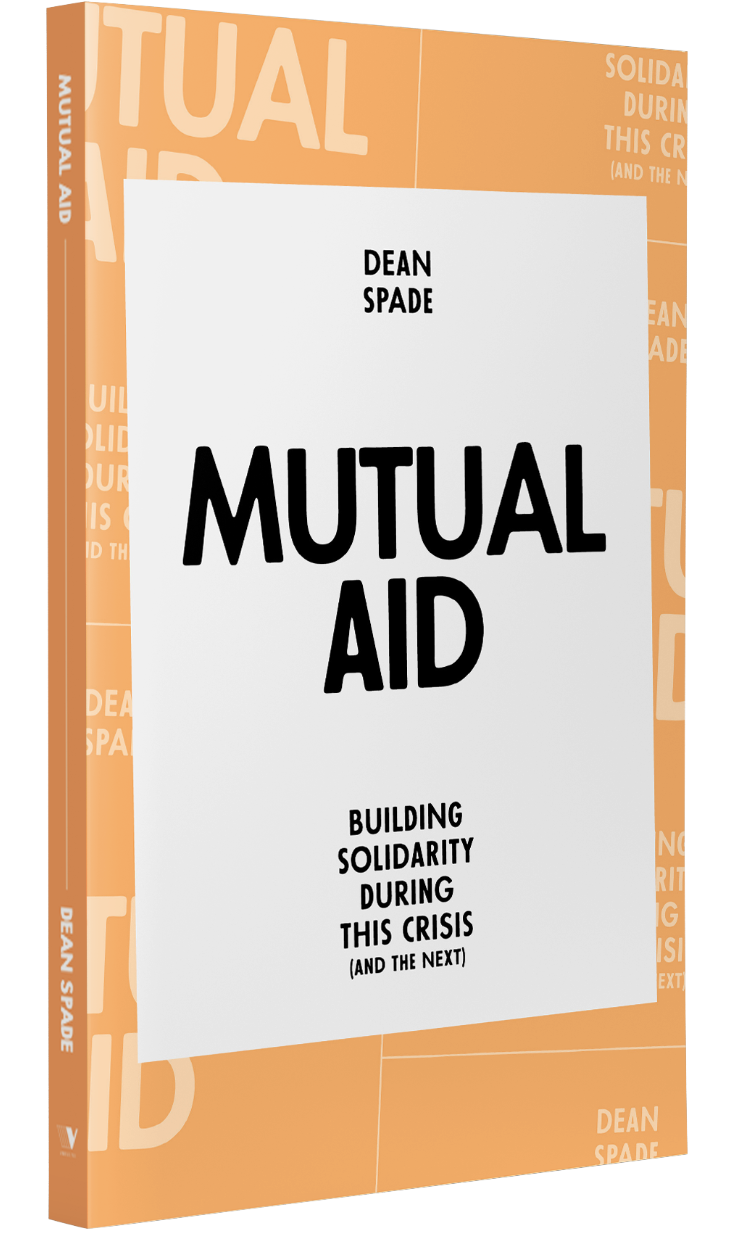
In the book, Spade explains that mutual aid has three key elements (quoting):
- “Mutual aid projects work to meet survival needs and build shared understanding about why people do not have what they need.”
- “Mutual aid projects mobilize people, expand solidarity, and build movements.”
- “Mutual aid projects are participatory, solving problems through collective action rather than waiting for saviors.”
When I first read this, it resonated with me in a profound way because I recognized so much of us (queer people) and other people I love in that description. I also realized that this is exactly what the Black Panther Party did, with their free breakfast programs, health clinics, and legal aid. In fact, cooperatives and mutual aid have a long history in many communities, including Asian American immigrants, as when early Chinese immigrants to San Francisco would meet new arrivals to tell them about “benevolent associations” that could provide housing for them, and later, offered rotating credit to help them start small businesses.
The moment we’re in right now feels on the edge of catastrophe. What’s happening in Tennessee to drag queens, trans kids, and the people laboring in higher education, is fascist Christo-nationalism, and it is about to be everywhere. To paraphrase William Gibson, the apocalypse is already here, it’s just not evenly distributed.
So, what do we do? My mantra these days is: find your people and mobilize. We are in a moment in which mutual aid and solidarity are the tools we have available to us. Then, we use that solidarity to leverage larger, more systemic change.
We each have our own gifts that we bring to the work. I write. I can speak to large groups of people. Those are mine. What are yours? We need your gifts, too.
Our task then, as the legendary Toni Cade Bambara told us, is this: “As a culture worker who belongs to an oppressed people my job is to make revolution irresistible.”
Together, let’s make the revolution irresistible.