Thinking about Feelings
On affect, race and politics
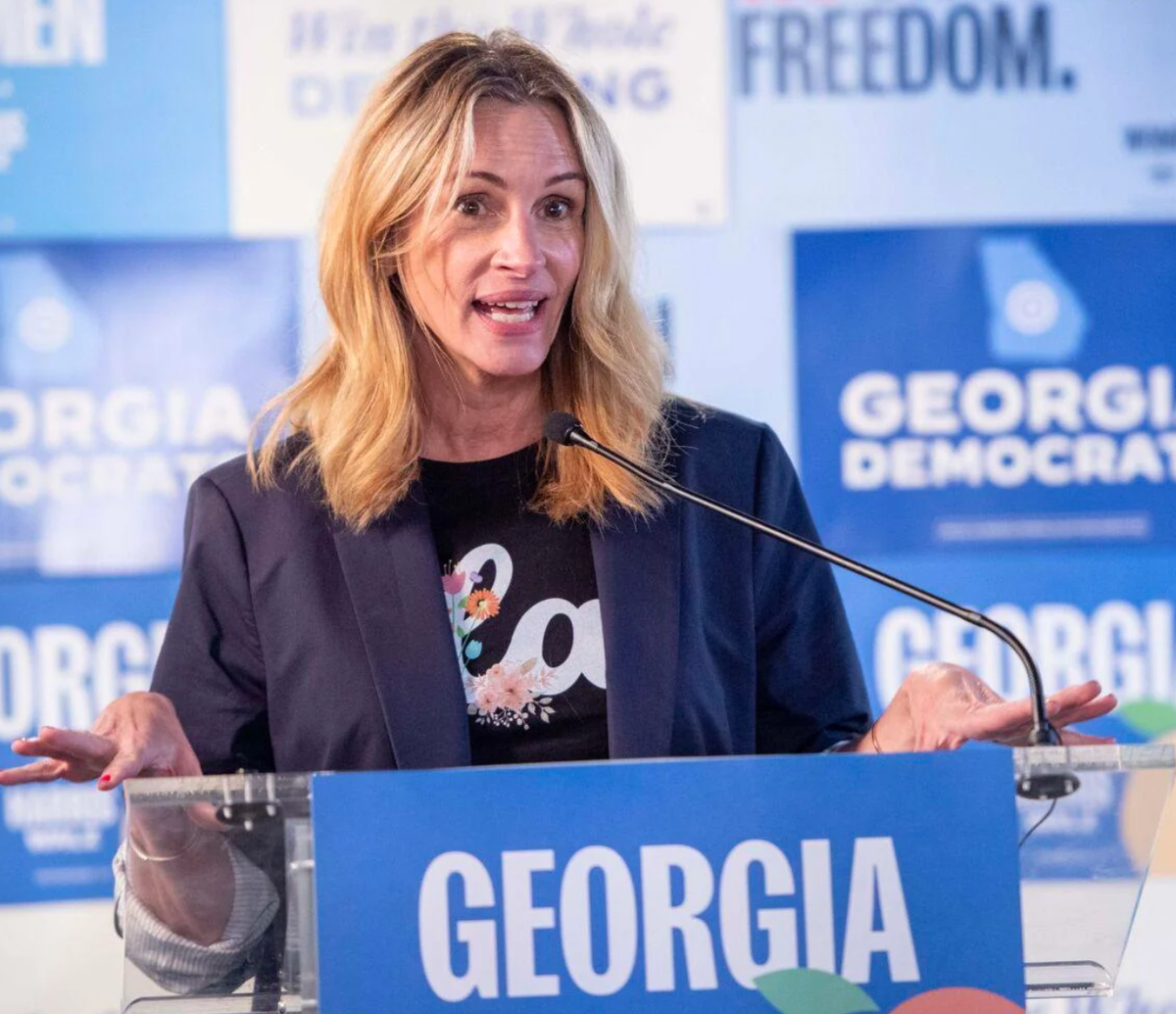
I have a new, peer-reviewed piece in the journal Ethnic and Racial Studies, with one of those clever academic titles: "The affective politics of whiteness: mobilizing white women on the left before (and after) the 2024 U.S. Election.” Here is a gift link to tunnel in past the paywall for the first 50 readers), so get to downloading if you want to read it. And, a huge thanks to my editor, Tony Amato, who took a flamethrower to my 12,000 word draft and got it down to a more manageable 9,000 words.
The article is an analysis of three organizing calls during the last election cycle intended to mobilize white women to get out and vote for the Democrats, and one call that was attempted to push them even further left by getting the DNC to support a ceasefire (they did not and paid the price for that lie). On here, I wrote about those organizing calls and getting out the ‘Eat, Pray, Love’ vote, and how white women as the largest voting demographic were having a moment. Of course, we know how those efforts turned out, and I concluded that we, white folks, have got lots of work to do.
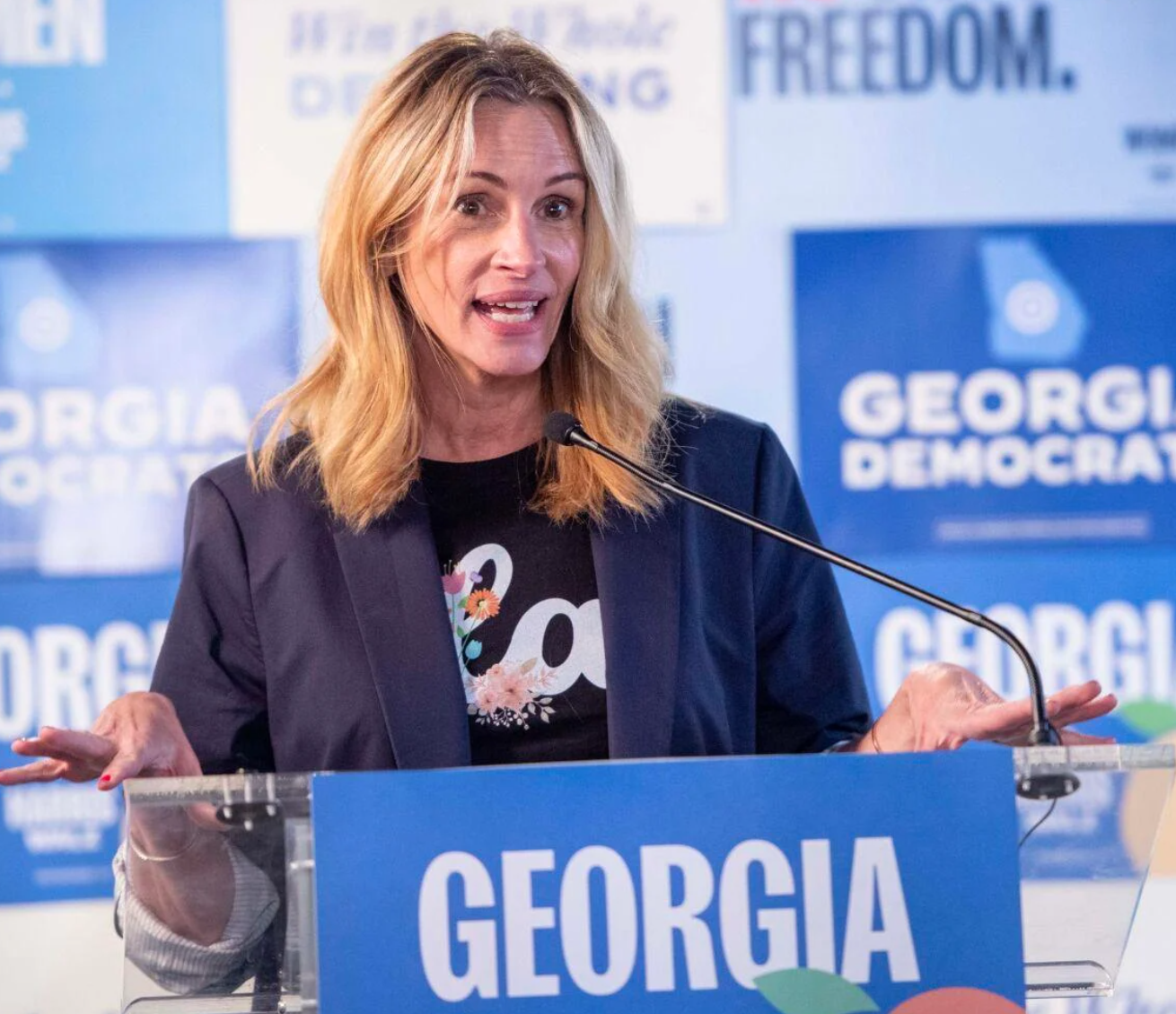
Increasingly, I think that the work we need to do to mobilize white folks on the left is the work of feelings, what academics call “affect.” So much of what I encountered in those organizing calls were different approaches to managing the affect, or the feelings of, white women around their own identity and how that shapes political choices. Living in this culture where race is laden with so much meaning, we all have highly charged feelings whenever the topic comes up. Learning to manage our feelings and our somatic responses to the topic is what Dr. Howard Stevenson calls “racial literacy.” It means getting in touch with our emotions and how those show up in our body.
For white-raised folks, the subject of “whiteness” is especially charged because, I argue in this article, it’s become a “spoiled identity.” This is sociologist Erving Goffman’s term for an identity that has become marked by social disapproval. For many white-bodied people, merely pointing out that they are white can feel like an attack. So, navigating around this tender spot of defensiveness becomes a challenge for organizers.
The calls took very different approaches about how to manage white women’s feelings — from affirmation, to guilt, to enchantment — and each one tied to the specific goal of the call, but none by themselves could accomplish the kind of widespread political mobilization we’re going to need for real change. Here’s the way I summed it up in the article:
The very real question beyond this election cycle is whether white women, and indeed white-raised people of all genders, can do the work necessary to step out of the delusion of whiteness, to break these cycles of intergenerational harm we have inherited and continue to co-create.
To be honest, part of the reason I started down this line of research has to do with the reaction to the Nice White Ladies book. It is, as a white-bodied friend, describes it “so gentle,” and yet, I’ve encountered some really intense defensiveness about it. I’ve had white women leave the room when I start speaking about it; I’ve had others tell me they were afraid to pick it up, based on the title alone. If this is you, as Ruha Benjamin said, then this book is for you.
Since that book came out, I feel like I’ve twisted myself in knots trying to figure out a better way to deliver the message in that book, but I began to see there’s a different issue at play here rather than my approach to storytelling. The problem is in us, white women, who are so afraid to acknowledge our whiteness because we think there is some safety in not examining it. Yet, in reality, it is the whiteness - and the numbness, isolation, and defensiveness that go with it - that is keeping us from safety.
As a bit of a coda to this article, I recently joined another call, “Organizing the Opposition,” hosted by Fintan O’Toole of the New York Review of Books, and featuring Sara Nelson (union leader, flight attendant), Astra Taylor (author, filmmaker, organizing for the Debt Collective), and Zephyr Teachout (author, law professor, political candidate), all white women involved in the labor movement and electoral politics.
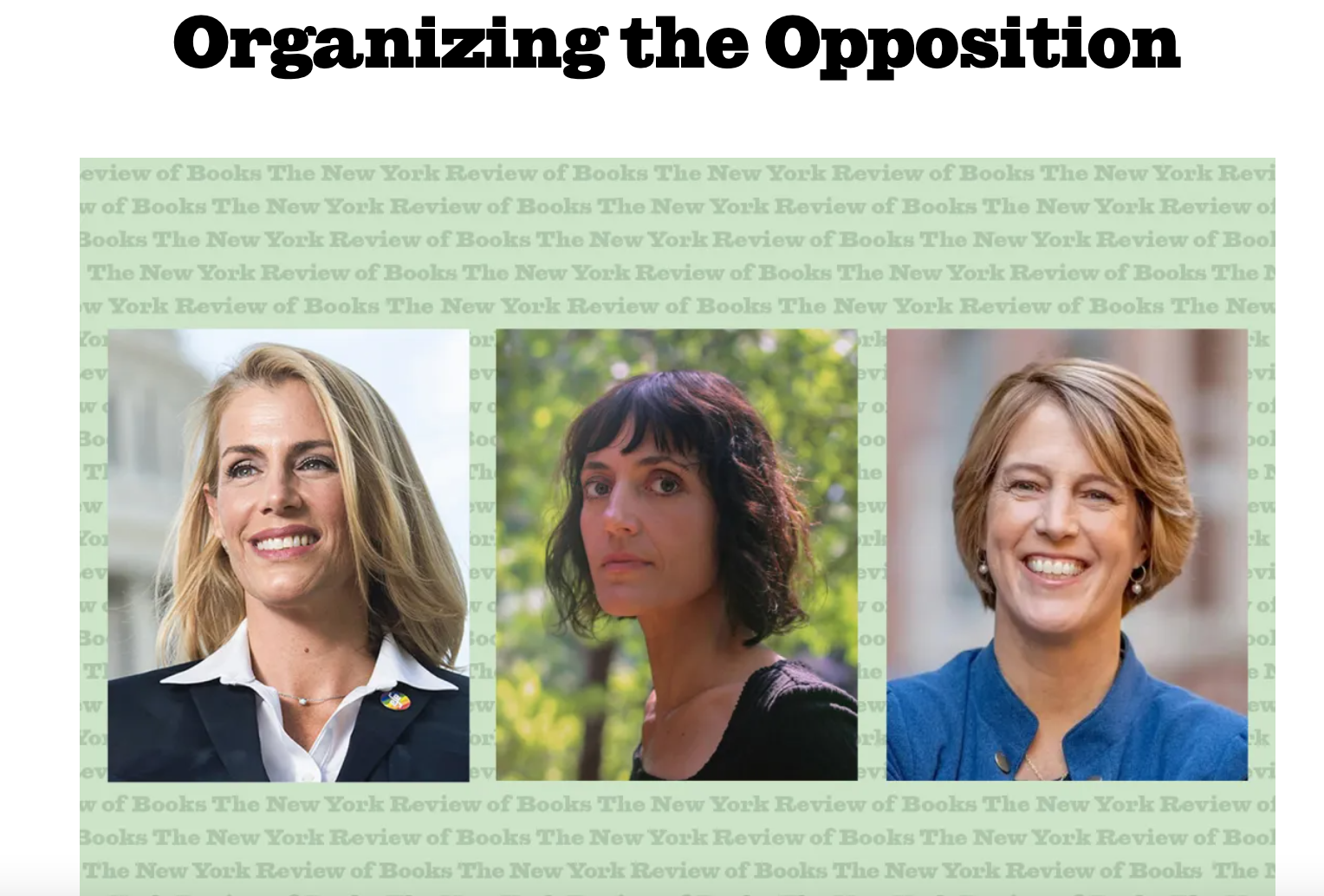
There was no explicit discussion of race here, unlike the calls from last election cycle. Instead, the conversation here focused on class and economic issues.
Perhaps that is an important tactic for where we are right now, politically, when so many of us across all demographic categories are suffering economically. But the “class over race” strategy has been tried before, and it will not get us to liberation, just as privileging class while ignoring gender will not get us to liberation.
Eventually, we will have to address race and white supremacy if we’re to block and build a broad coalition of solidarity to defeat our fascist overlords. And, white women, we will have to figure out how to manage our feelings about our whiteness and our position within a white supremacist system that relies on us for its smooth operation.