White Savior Moms
On Leigh Anne Touhy, Renee Bach
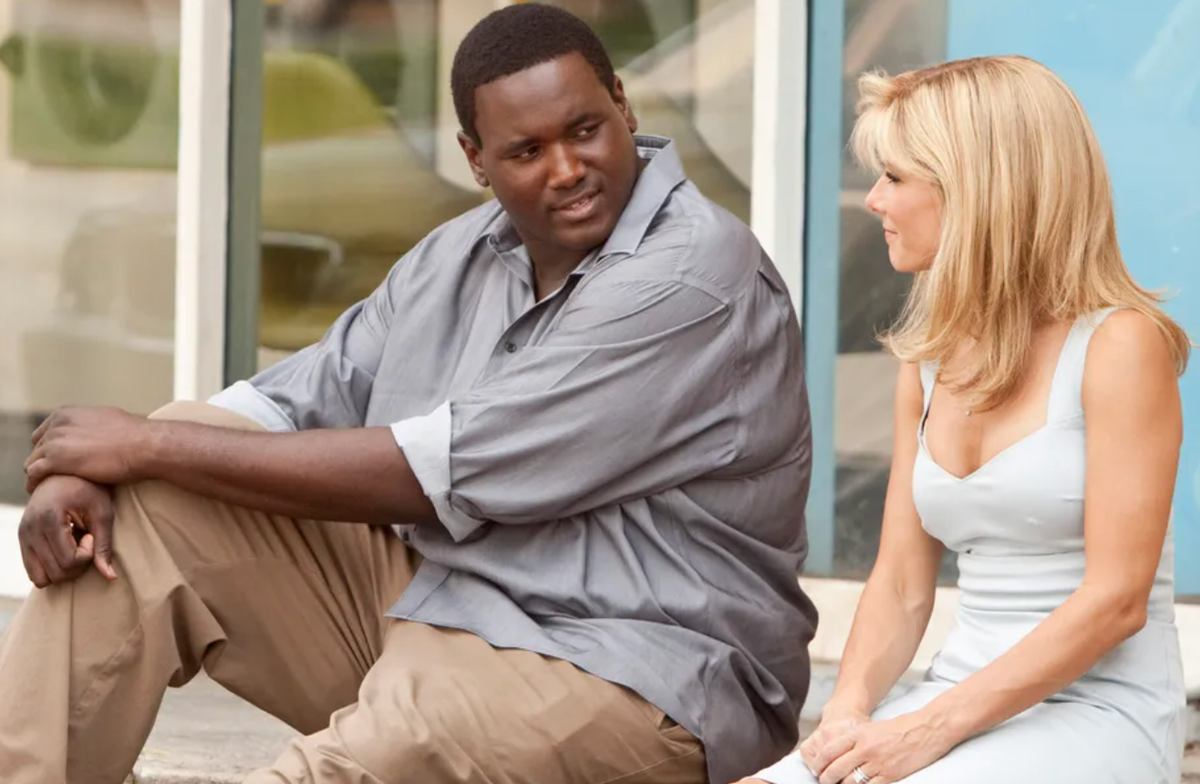
Last week, a judge ordered an end to the conservatorship of Michael Oher by the Touhy family. You’ll remember Michael’s story from the book (by Michael Lewis) and film (starring Sandra Bullock as Leigh Anne Touhy), called The Blind Side. Now, the too-tidy narrative is the subject of a legal battle in which Oher alleges the story of him as a neglected, needy child was never true and that the Touhy family exploited him for their own enrichment. While the film tells a story of adoption, Oher says the Touhy family set up the conservatorship to control the money he made playing football and from the film. The film version of the story focuses heavily on Leigh Anne Touhy and her motherly-relationship with the young Oher, while it portrays Oher’s actual mother as a drugged out ne’er do well who doesn’t care about Michael. The role got Sandra Bullock the Oscar for Best Acting and, in an art-imitating-life twist, Bullock adopted two Black children after playing that role.
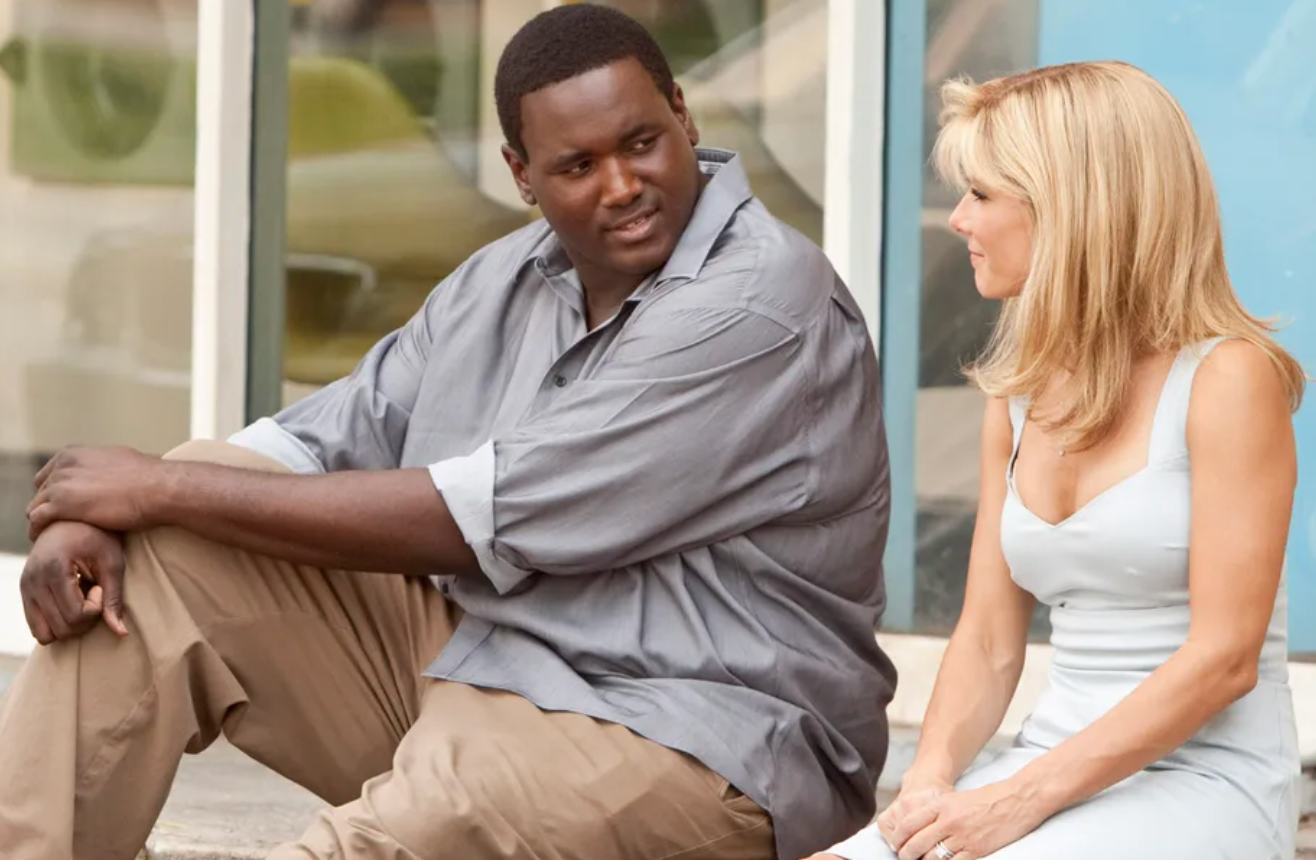
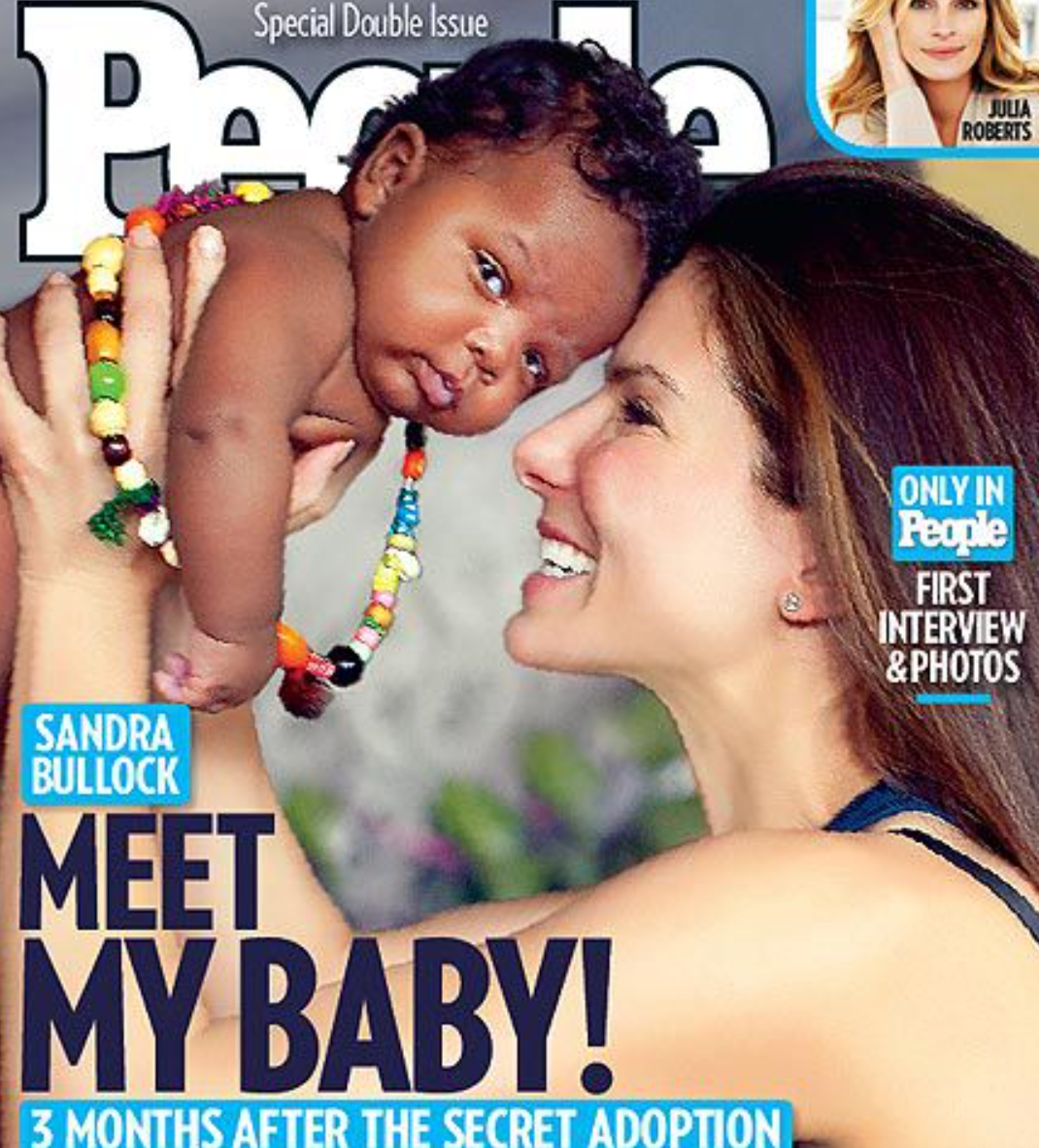
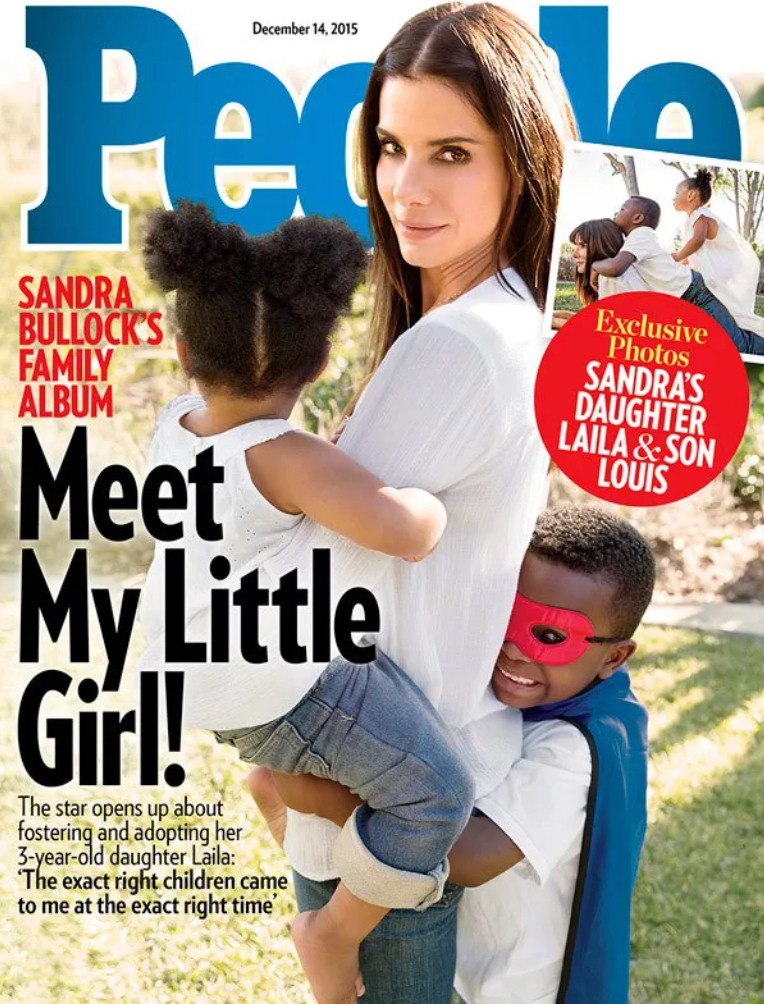
The fable in The Blind Side and in a recent HBO docuseries, Savior Complex, which follows Renee Bach, are different parts of the same phenomenon. These are what I call white savior moms.
You could even say that it’s part of a trend for white women to “rescue” children through transracial adoption as a kind of charitable endeavor many report in ecstatic terms. For example, when actress Meg Ryan adopted a baby from China, she referred to the process as a “metaphysical kind of labor.” Or, pop star Madonna adopted baby David from a clinic in Malawi, she said she was “transfixed” by him.
This notion that white moms can rescue the children of the world is an idea that travels. In July 2005, celebrity Angelina Jolie announced that she was adopting a baby girl from Ethiopia, which then "inspired" lots of other white mom adoptions.
One such woman, Ann Watt, told a reporter: "I remember being at the store and seeing Angelina on the cover of, I think it was People magazine, and I said ‘Oh my gosh! We can do this!’” Watt’s husband was onboard with the plan, saying: “We’re inviting a whole new genealogy to our family line. We invite culture and diversity into our family and those are things that inspired [us] to adopt.” Jolie’s role as a white savior mom, promoted in People magazine and circulated throughout celebrity news outlets, resonates with lots of other white women, thus the script of a white mom rescuing a Brown child from another country gets repeated. This is what happened to Michael Oher when Leigh Ann Touhy captured him and put him under a conservatorship.
How and why does this happen?
First, it relies on the false idea that the white savior mom is the best source of life and healing for children, better than their own mothers. This is gendered white supremacy: the false notion that white women are somehow especially capable as mothers. This white-mom-saviorism always carries with it a threat of violence. You can see this threat of violence in The Blind Side movie - when the Leigh Anne Touhy character threatens the Michael Oher character with castration as she drops him off at college. No, really, it's in there - as a joke, a punchline.
That a reference to a Black man’s castration (a common part of lynching) is allowed to pass in this film as a joke is evidence of how inured we are to threats of violent white supremacy when they come from a nice white lady like Leigh Anne played by Sandra Bullock. The reproduction of whiteness itself is destructive and white women excel at this. When it's not possible to reproduce whiteness, then white women will return the adopted kid, drive them off a cliff, or abandon them in adulthood.
All of this is top of mind because of this new HBO docuseries, Savior Complex, which I cannot recommend. (If you want to learn more about this story, I do recommend and this much shorter NPR story). I watched it so you don’t have to, and of course, I have some thoughts.
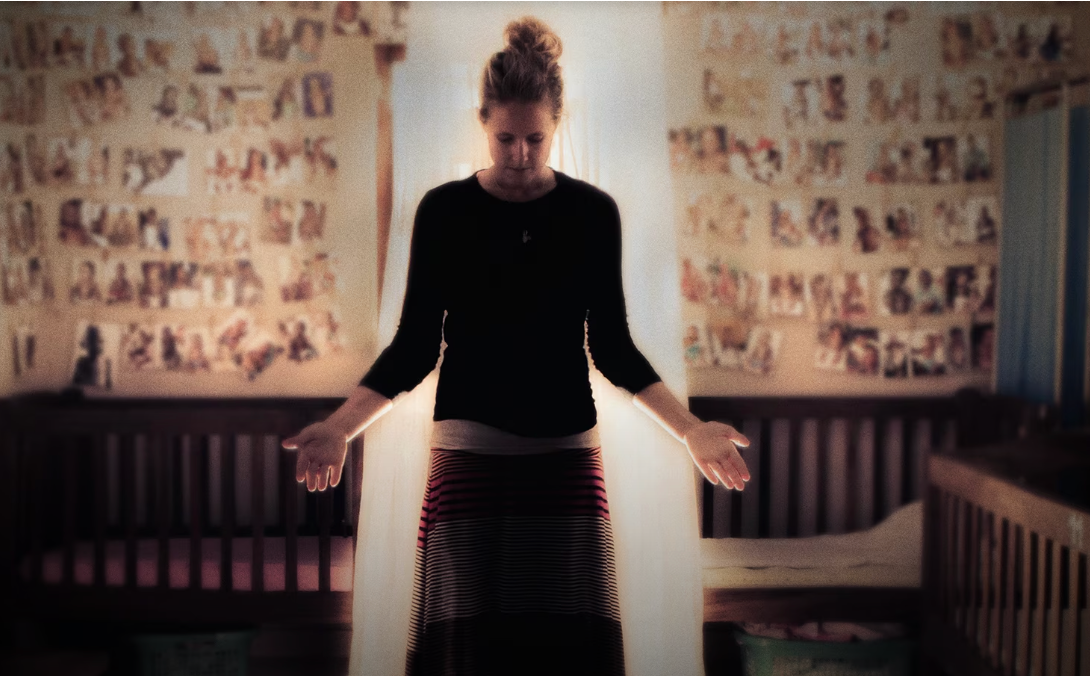
Bach saw herself as someone who had been called by God, and because of that, felt empowered to do "medical things" (her phrase), without benefit of any medical training of any kind. This was reinforced by her evangelical beliefs, including this one: “God doesn’t call the qualified. He qualifies the called.” This is not how any of this works...but I will save my liberation theology lecture for another day.
This series could have done so much good to counter the white savior trope, here with the added layer of Christian Evangelical-ism, but instead as a writer at Slate put it: "The young white woman is centered, distinct, the African children whose lives she claims to have changed reduced to blurry background detail." Yes, but not before lots and lots of images of starving, suffering Ugandan children, which reinforces the white gaze. In other words, it assumes the audience for the film will be people who identify as white (and likely, female or femme-identified) and it is told with their perspective in mind.
In one memorable scene, Bach reads from an accusatory comment [on Face-page], then stumbles over the word neocolonialism, saying "neo-colo, I don't think I know what that is," before giving up entirely. Bach was homeschooled, along with her four siblings, in Virginia. Presumably the filmmaker was not homeschooled, yet there is never a follow up discussion or a cut-away to people who do understand neocolonialism to help connect the dots for viewers between present-day missionary work and the long, bloody legacy of colonialism and neocolonialism in Africa. But the lens never gets pulled back that far, as the filmmaker focuses tightly on Bach.
Early in the series, Bach says she’s “taken the hit for every white person who ever stepped foot in Uganda,” and somehow makes herself the victim. The film’s lack of any broader lens about colonialism and a framework where Bach’s efforts are part of that long history, makes it easy for the viewer to slide into the more immediate, and much smaller conflict with the group No White Saviors, a group that went after Bach on social media. That group sparked some media attention on Bach’s practices and then No White Saviors devolved into its own, entirely predictable, mess.
The filmmakers do speak with several Ugandans, including Dr. Abner Tagoola, head of pediatrics at Jinja Hospital, who describes the expert medical care being provided to children in the hospital. In one of my favorite moments, Dr. Tagoola calls out the filmmakers and the whole misbegotten project when he says: “You have come all the way from America for one person,” [referring to Bach]. This critique gets quickly dropped in favor of the poverty-porn and white lady hagiography.
The reality is that 105 children died at Serving His Children under Bach’s care. Her claim is that these children would have died anyway.
There were children and families in Uganda that Bach helped. This fact alone is where she, and her mother (who figures prominently in the doc) want the story to end. She helped. She is good. She is innocent. She is doing God’s work. Because this is what she believes about herself. But the reality is that many children died under her watch, and according to several reports died needlessly, and many parents suffered as a result. Renee Bach and her mother seem incapable of processing this fact in the series. The filmmakers also seem to dither about the moral weight of Bach's actions in Uganda as they leave it at the end with a sort of ethical shrug.
There are some interesting filmic choices in this series that reinforce the white savior mom trope, and they are insidious. If you look at the lighting, camera angles, and shots included, there are a series of choices here that reinforce the white savior mom = good / Ugandan mom = bad dichotomy. For example, in this image (which gets repeated again and again), we see Bach with a stethoscope (her major prop) placing it on a Ugandan child held by his Ugandan mother.
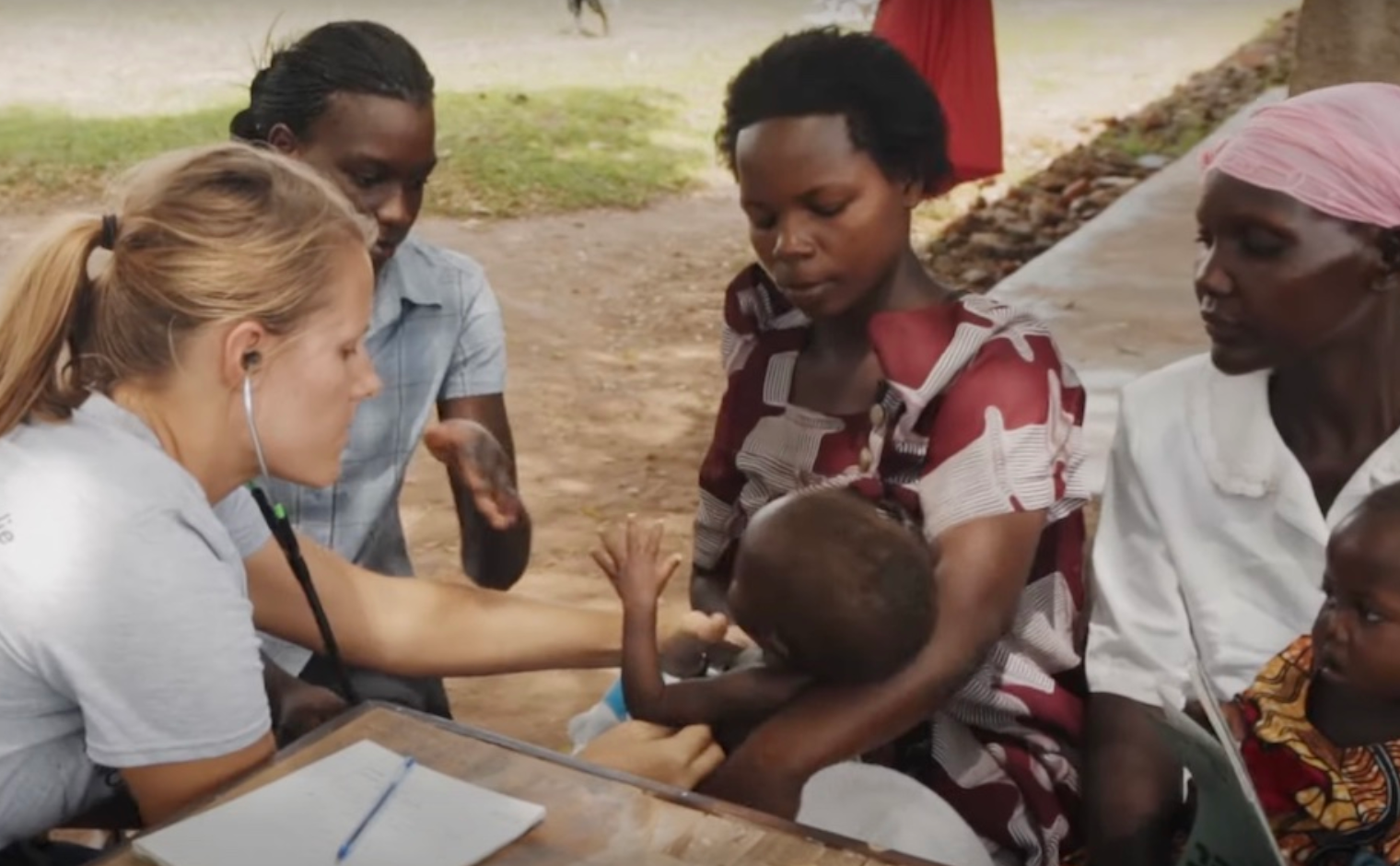
The image invites the viewer to (once again) see Bach as somehow expert and caring while the mothers are inadequate and helpless. At no point in the Savior Complex do the filmmakers interrogate whiteness, colonialism, or any of the context which has produced this image.
There are a couple of mentions that Uganda, and Jinja in particular, are "popular" with US missionaries and non-profits, but there is no explanation for WHY that is. There is no interview with Teju Cole, for instance, the Nigerian-American who has been writing about the white-savior-industrial-complex since at least 2012. (Again, this podcast, The Missionary, Season 1, does a much better job of tackling these issues.)
The way that Bach is photographed and filmed versus the way that Ugandans, especially children, are shown is telling. Bach is the focus, so she is often in the middle of a shot (as above). In other scenes, she is interviewed alone and always with the good lighting, while the Ugandan children and their mothers are always shown in the worst possible conditions. The framing of Bach is reminiscent of the sort of white savior mom style of photography featuring Princess Diana, like this one:
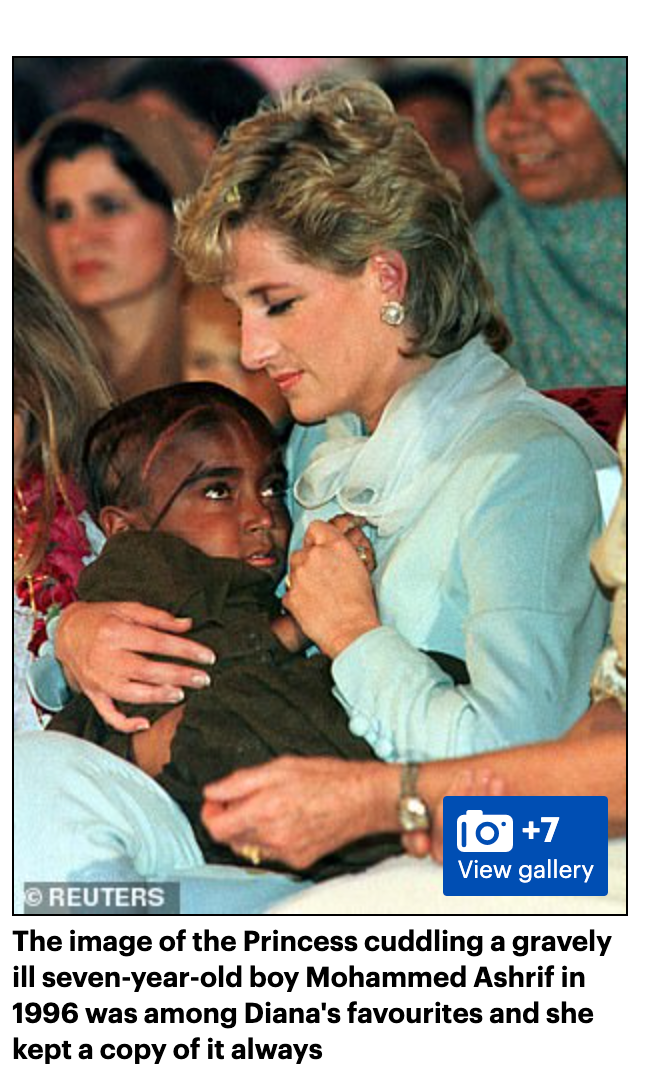
These photographs feature angelic lighting on Diana as she holds frail, sickly children of darker hues, thus replaying the religious imagery of Madonna and Child. The imagery suggests something eternal, spiritual, and innately maternal in Diana. Implied, but missing from this image, is the sick child’s missing and clearly inadequate mother. That Diana kept a copy of that photograph with her "always" (as the caption indicates) perhaps suggests less that she felt connected to this child. It also hints that she wanted to remind herself of her role in that relationship. And, of course, Diana's role as "global ambassador" to "African children" is part of the circuit of white savior moms that makes Meg Ryan, Madonna, Angelina Jolie, and Renee Bach possible.
Bach also adopts a girl from Uganda (and a second child, it’s not clear from where). The Ugandan girl is named Selah and she is featured in the opening scene as she and Renee cook Ugandan food together. Renee mentions they cook that food about once a week because Selah “gets homesick” for Uganda. Selah reappears several times in the film, but she never smiles or speaks. In the brief glimpses of her we see on camera, she is quiet, withdrawn, and sad. Selah looks like someone who has been captured, biding her time, waiting for escape. Meanwhile, Renee Bach struggles to understand how there could be any harm in her helping, as if good intentions and a soft lens filter are enough cover for the damage done.
I know that there are readers here who are still wondering: yes, but aren’t these children better off with these white moms, even if they come off as a little savior-y? To answer this, I’ll point you to the writing of people who have been on the receiving end of white savior moms and survived to tell their story. What they report is harrowing, the pain real. Rebecca Carroll, in her memoir Surviving the White Gaze, tells of the deep psychic pain of growing up as the only Black child in a white family in rural New Hampshire. It has taken her a lifetime to overcome that trauma. Children who were transracially adopted are vulnerable to abuse and death by suicide.
Yet, as JS Lee writes, the children-turned-adults who endure this experience are called on to reassure their adoptive parents that they are happy, well-adjusted, and most of all, grateful. That is about the ego-needs of the parents/saviors, not the children. Lee explains the dilemma like this:
Disconnecting from our adoptive family’s identity risks losing everything again. Fear and conditioning can cause us to cling to a cloak of Whiteness, and comply with the safe narrative.
The white savior trope in films is everywhere. That it gets replayed so often tells us that it satisfies some deep need we have to believe ourselves to be heroes in the story of colonization. The white savior mom is the gendered version of this trope.
The white savior mom is a performance of whiteness that makes us, as nice white ladies, feel better about ourselves because it trades on deeply held beliefs about our innate capacity for good mothering that we find reassuring. That notion, comforting as it is, contains a shadow side, which is the belief that African mothers, Black mothers, immigrant mothers, are inherently bad at mothering. This fantasy about who we are is a nightmare for the children we try to “rescue.”
Much like Rebecca Carroll, JS Lee describes a long journey to wholeness after being adopted away from her birth family, but she says:
“There’s power in knowing who we are without feeling shame. I no longer feel the need to perform Whiteness—or for White people.”
I’ve learned so much from transracial adoptees like Carroll and Lee about unlearning whiteness. I wonder: what will it take for those of us raised-white to unlearn whiteness? What will it take for white savior moms to stop performing their goodness for white people? Before you laugh or shrug or say “that’s impossible,” I invite you, dear reader, to reflect on the experience of transracial adoptees. If they can unlearn whiteness, why can’t we? I really believe this is the work we have to do.