Writing in Difficult Times
NaNoWri-Almost: My Writing Challenge for November.
November is “National Novel Writing Month,” known as NaNoWriMo. Each year, aspiring writers use the month to challenge themselves to draft a 50,000-word novel in 30 days. NaNoWriMo started in 1999 and, as they describe it, “our website tracks words for writers like a Fitbit tracks steps.” There are in-person meetups and online gatherings for organization that sponsors it and a loose collection of other writers who want to get-it-done. I’ve never done it before.
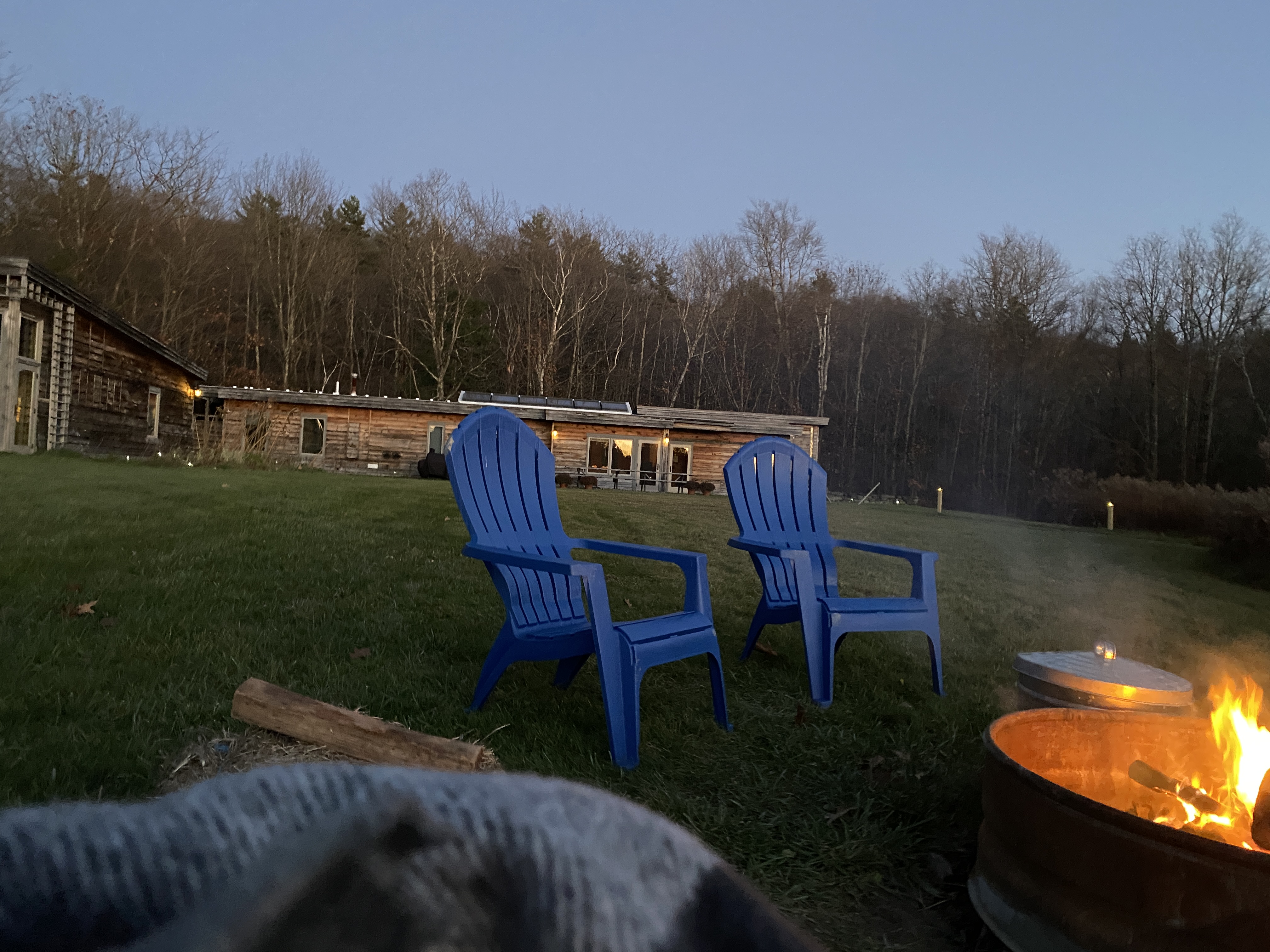
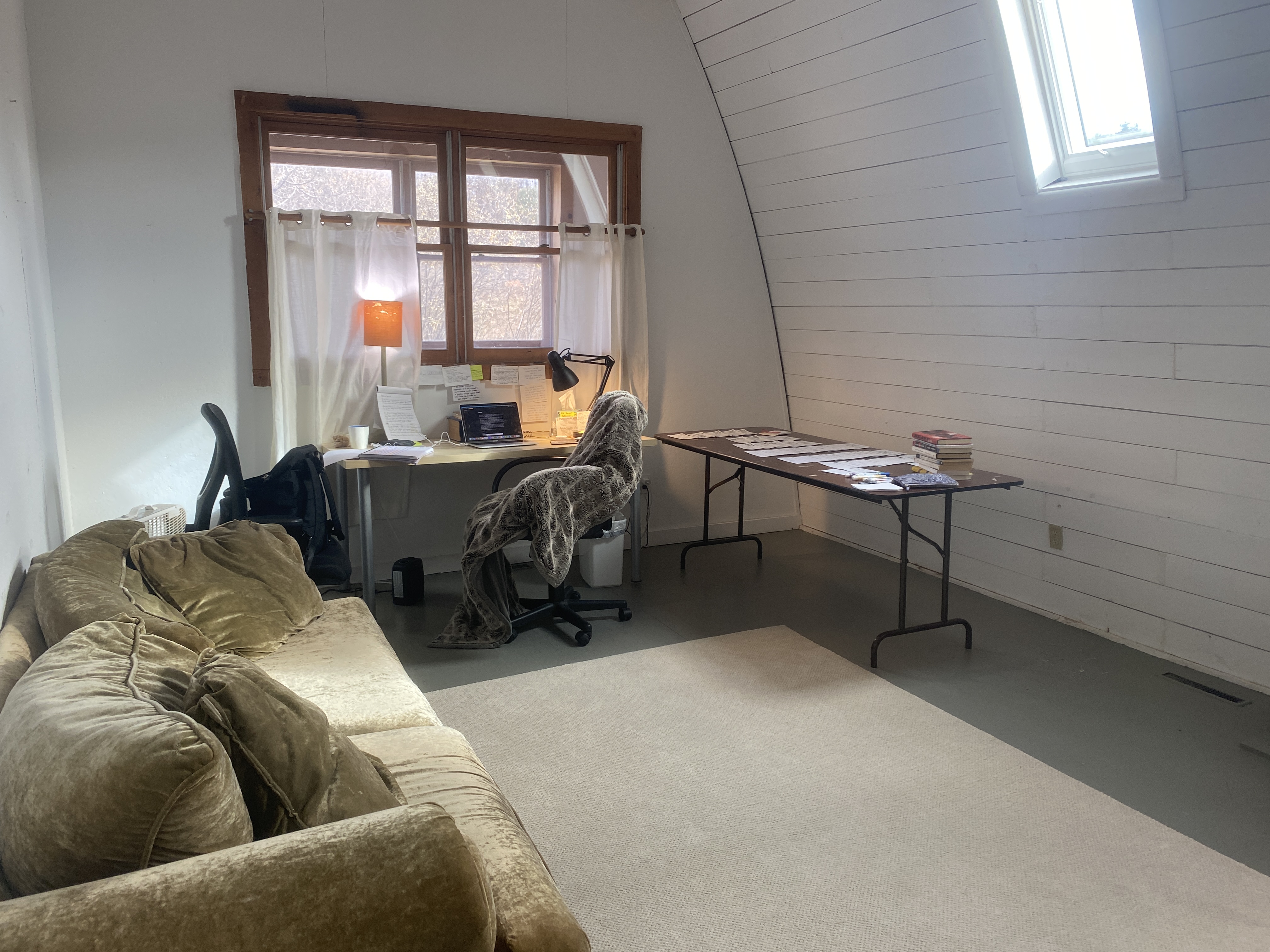
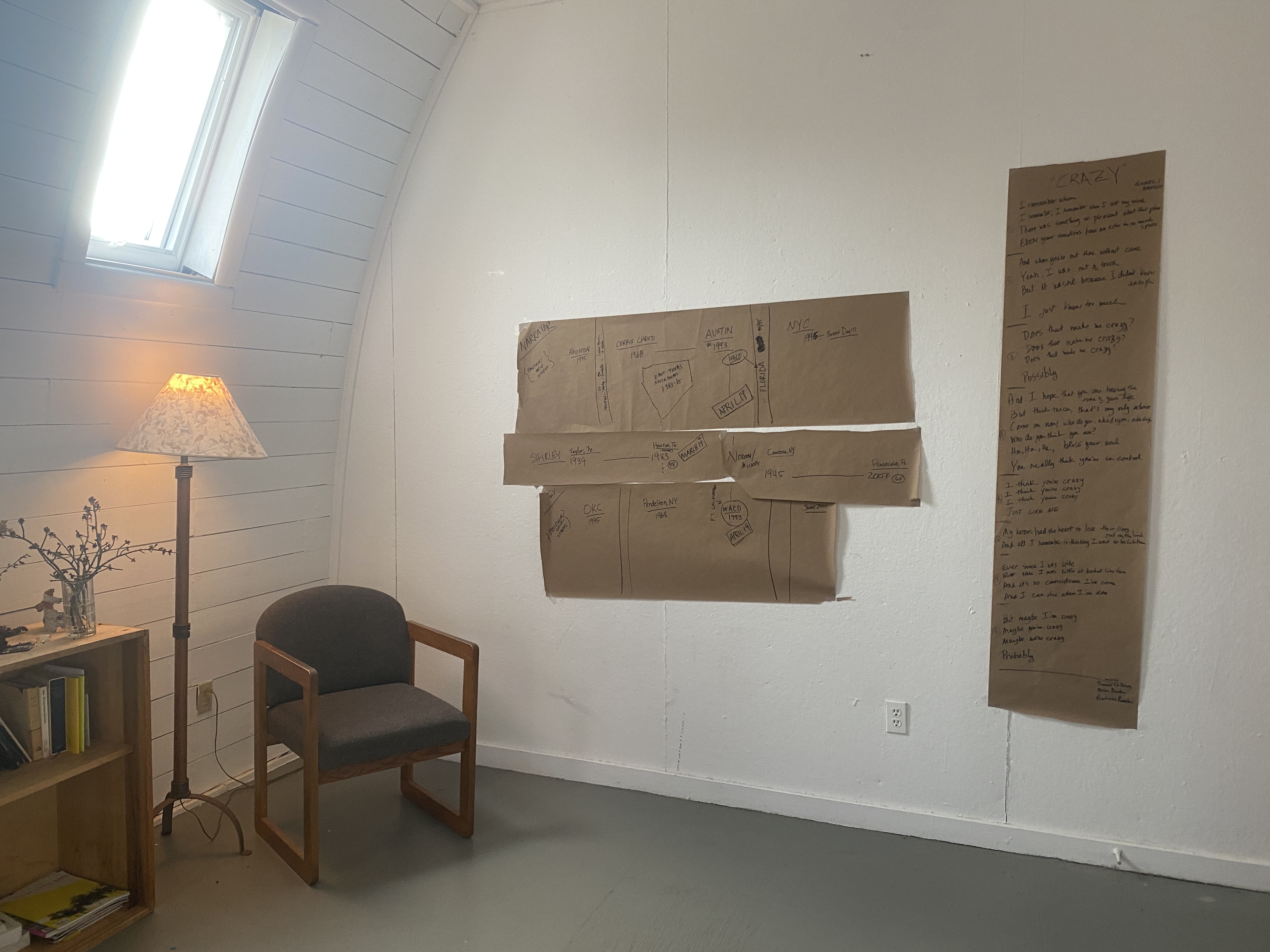
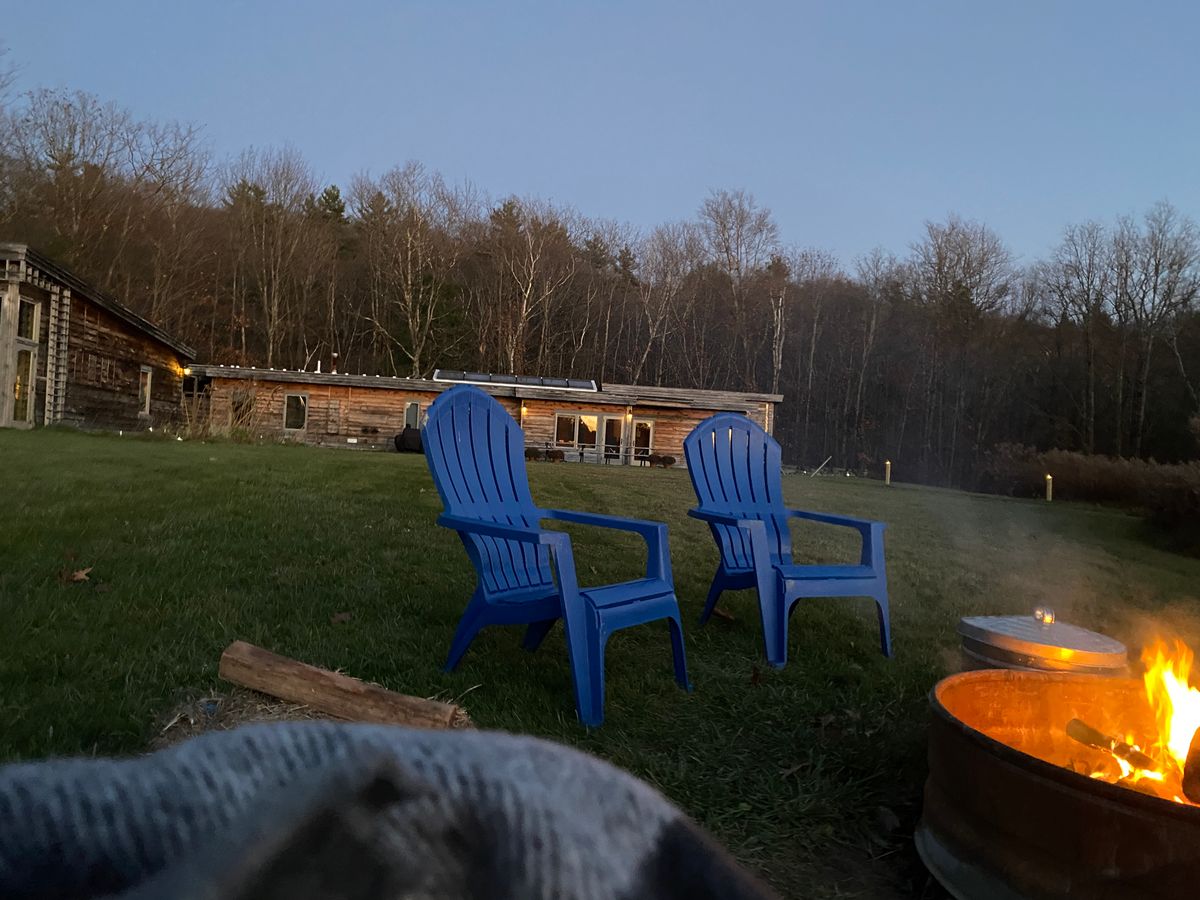
This November, with a writing residency at Millay Arts in Austerlitz, New York, I decided to attempt the daunting 50,000-word challenge for a re-draft of my memoir. The goal with this sort of fast-draft is to just get the “shitty first draft” done, not worry about polishing prose, and set down the basics of your story. I managed to get to just over 43,238 words according to my word counter, and that’s 87% a solid B+. I’m calling it a success even though I didn’t get to 50k and don’t have time today or tomorrow to do a final push. It means I won’t get the t-shirt but I do have a shiny, new memoir structure that feels solid. Mostly, I have a clearer vision about what the story is and the momentum I need to get it finished in the first quarter of 2024. That’s the goal now.
There were three books that were crucial for helping me think through this — two of them I disliked and one I adore.
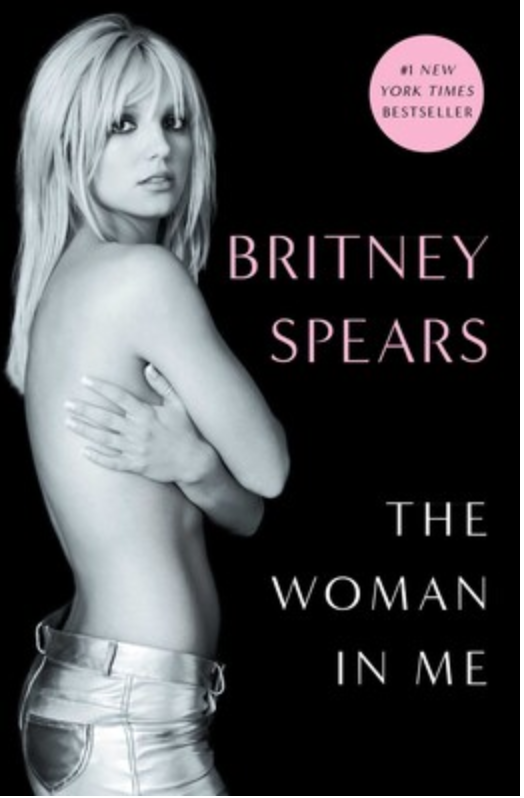
The two I struggled to get through: Britney Spears, The Woman in Me, and Jeffery Toobin’s Homegrown. I listened to the audio narration of both books in the afternoons after I’d hit my word count goal in the mornings. Britney’s daddy had her locked up (so did mine) and Tim detonated a bomb in Oklahoma City that destroyed lives, including mine in someways. So these two books were research for my story. I cannot say I enjoyed either but I did learn a lot. The Spears book is kind of a hologram: ghostwritten and the audiobook read by the actor Michelle Williams, so it’s like a memoir but without much of the intimacy I usually associate with good memoir writing. It’s more of an extended morning show segment with a facsimile of the girl who grew up in Kentwood, Louisiana and whose Grandma Jean had been committed to the psychiatric hospital in Mandeville and narcotized with lithium, the same drug they gave Britney under the conservatorship. There’s a seething anger underneath the pretty pop star but it gets mostly directed at Justin Timberlake (I mean, fair), who to no one’s surprise turns out to be kind of a dick. But what we learn about her father, and the rest of her family, is very limited. I can only speculate that this is because they’re all still alive and litigious but it makes for a shallow retelling of what happened to her.
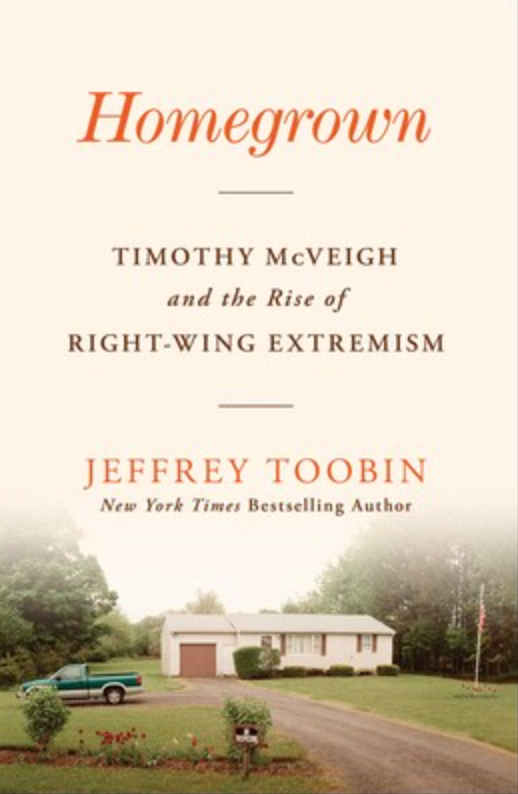
The Toobin book is hard to listen to, as the author has a sing-song-y voice that ends every sentence on a rising intonation like a high school girl with a bad case of uptalk. Toobin, recently humiliated by getting himself fired for this, and the book is his attempt at rehabilitating his reputation by Columbusing the case against McVeigh and the rise of the far right. There’s nothing new in here. At one of the most frustrating moments for me, Toobin “discovers” that there is something called the Internet and that the people on the far right have been using it, thus the rise of the far right. No kidding. Toobin also claims to be “uncovering” that McVeigh liked guns and this was the real motivation for the bombing. This argument only holds up if you bracket the white supremacy and see it as separate from the love of guns, which any number of scholars, from Kathleen Belew to Jonathan Metzl, have explained is not possible. What is useful about the book and why I’ve made myself slog through it is that Toobin basically aggregates all the other mediocre-white-men accounts of the bombing, and I took notes on the similarities between my life and McVeigh’s.
The new structure in my memoir is a braided one, weaving my story with McVeigh’s, in a style that aspires to something like Joann Bear’s amazing essay, “The Fourth State of Matter.” I hadn’t read this 1996 essay until another writer at Millay recommended it to me, and now I’ve read it a few times for the elegant way she weaves a story about her divorce, her sick dogs, and a school shooting together. It’s a masterclass in braided storytelling.
When it comes to braided storytelling in memoir, the best I’ve read is Brian Broome’s dazzling Punch Me Up to the Gods, which deservedly won a slew of awards in 2021-22. Darnell Moore, reviewing it for The New York Times writes that Broome “exposes with elegiac detail the malaise that eats away at Black boys because of the pressures they face to become the ideal image of manhood — even if the consequence of that refashioning is the annihilation of Black boys’ spirits.” If you haven’t read it, fix that immediately. You’ll thank me later.
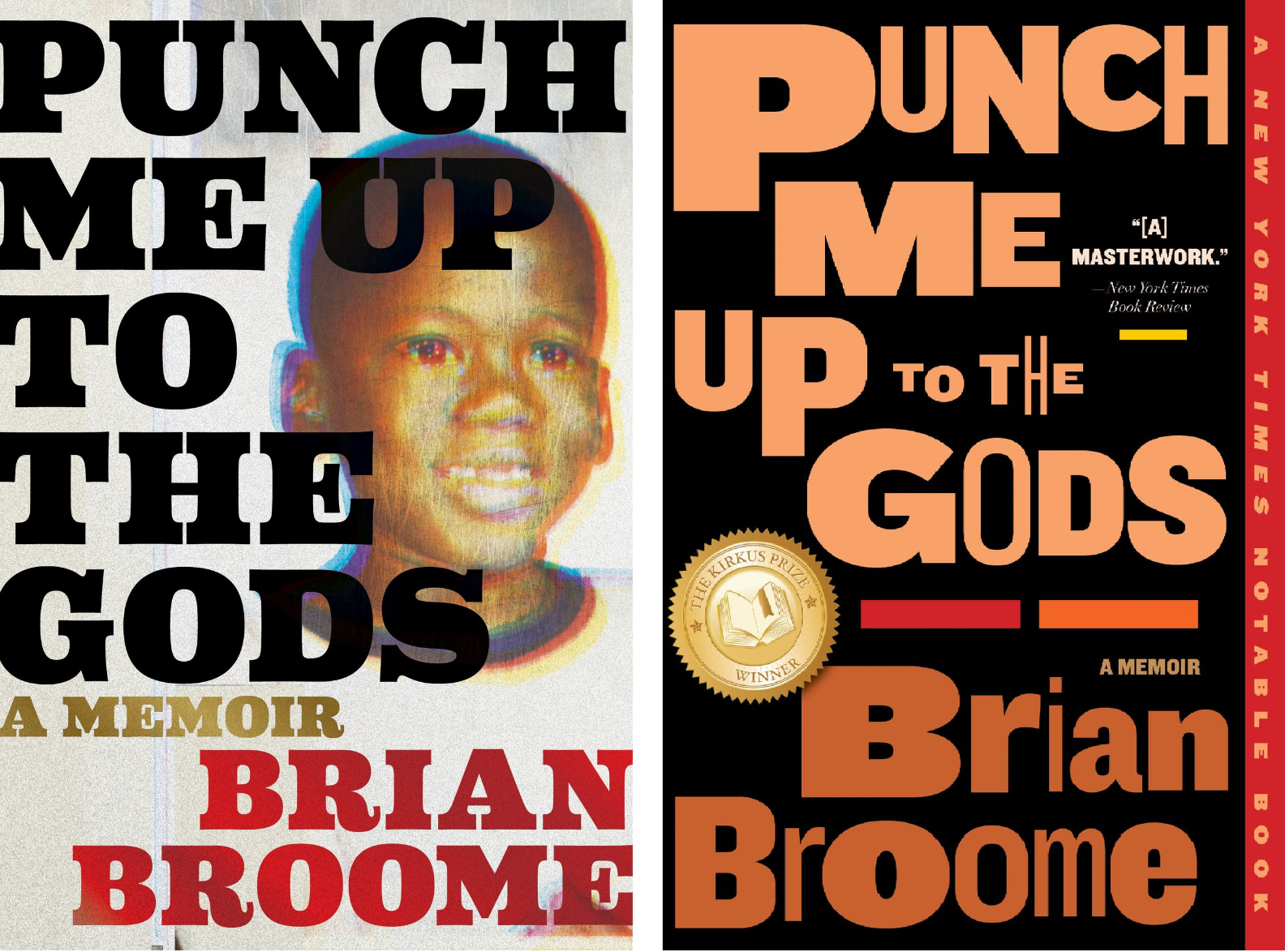
The book is structured around both the Gwendolyn Brooks’ poem, We Real Cool, and an encounter with a toddler named Tuan, who is traveling with his father on the same bus that Broome is riding. Tuan gets a series of painful lessons in “being a man” from his father on that bus ride, and Broome uses these to great effect to illuminate his story. It’s a masterpiece. In the spring semester, I’ll get to teach this book in a course on “Sociology and Memoir.”
Toni Morrison, in a 2003 profile by Hilton Als, said she told him she does one thing:
“I read books. I teach books. I write books. I think about books.”
I feel the same way about the work I do. And, it’s a harrowing time — from book bans across the US to the bombing of Gaza’s main public library — that could make one despair and give up. What’s the point of writing if they will just ban it or bomb it? Because it is in times like these when writers go to work.
The writing studios at Millay are all marked up by those who have come through and everyone is encouraged to pen their name on the door frames as talismans for those who come next. People also leave notes tacked to the walls, encouraging future writers. Here’s the one I left:
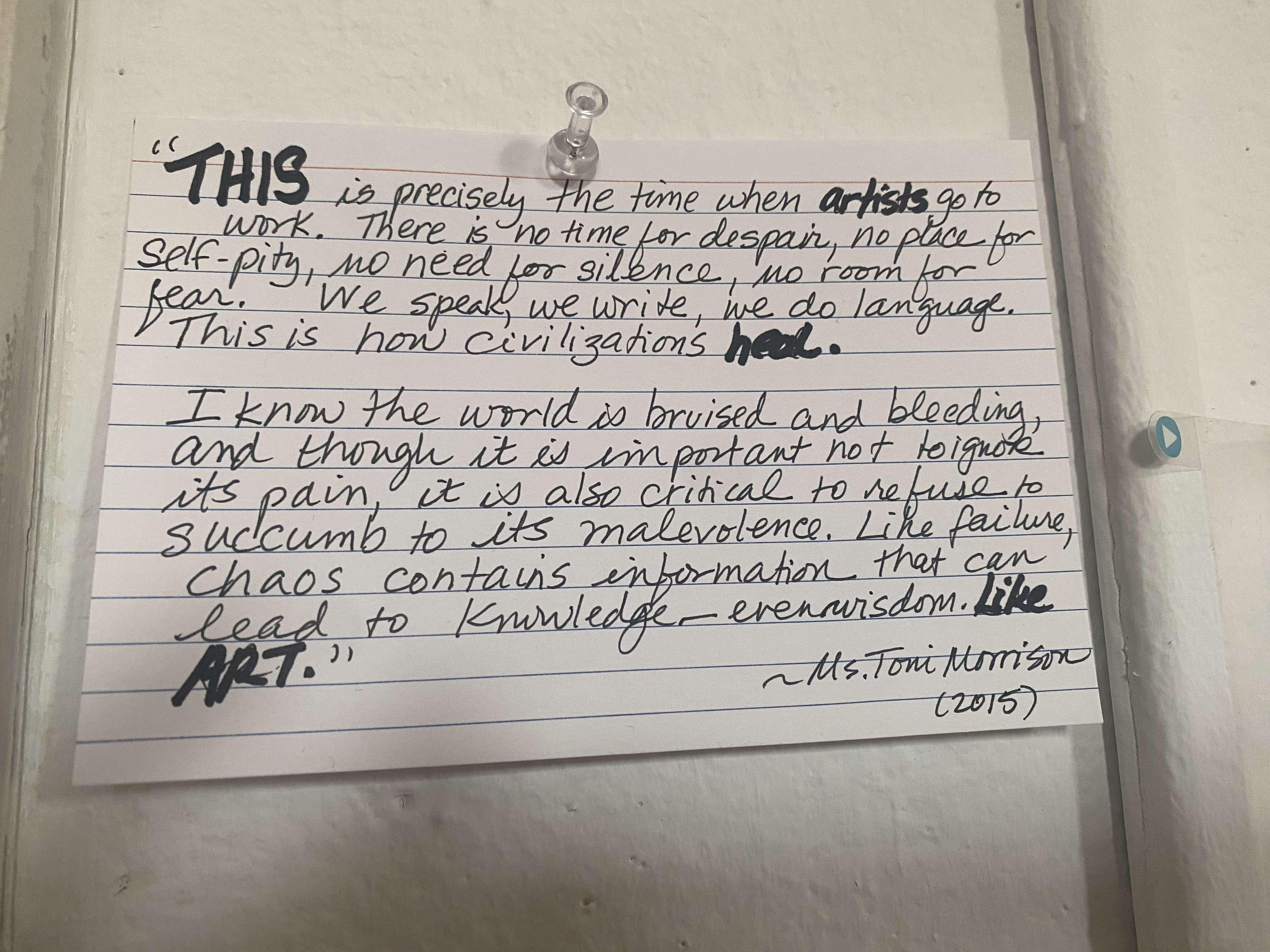
The quote is from Morrison’s 2015 essay, “No Place for Self-Pity, No Room for Fear,’ and it sustains me, and helps fend off the despair. “We speak, we write, we do language. This is how civilizations heal.”